Preston Hollow vs Park Cities: Comparing Dallas Lifestyles
Trying to choose between Preston Hollow and the Park Cities? At first glance, both offer beautiful homes, established streets, and strong access to some of Dallas’ most popular shopping and dining areas. But when you look closer, the day-to-day lifestyle can feel very different depending on where you land. If you want a clearer picture of how these areas live, move, and function, this guide will help you compare the feel of each so you can decide what fits you best. Let’s dive in.
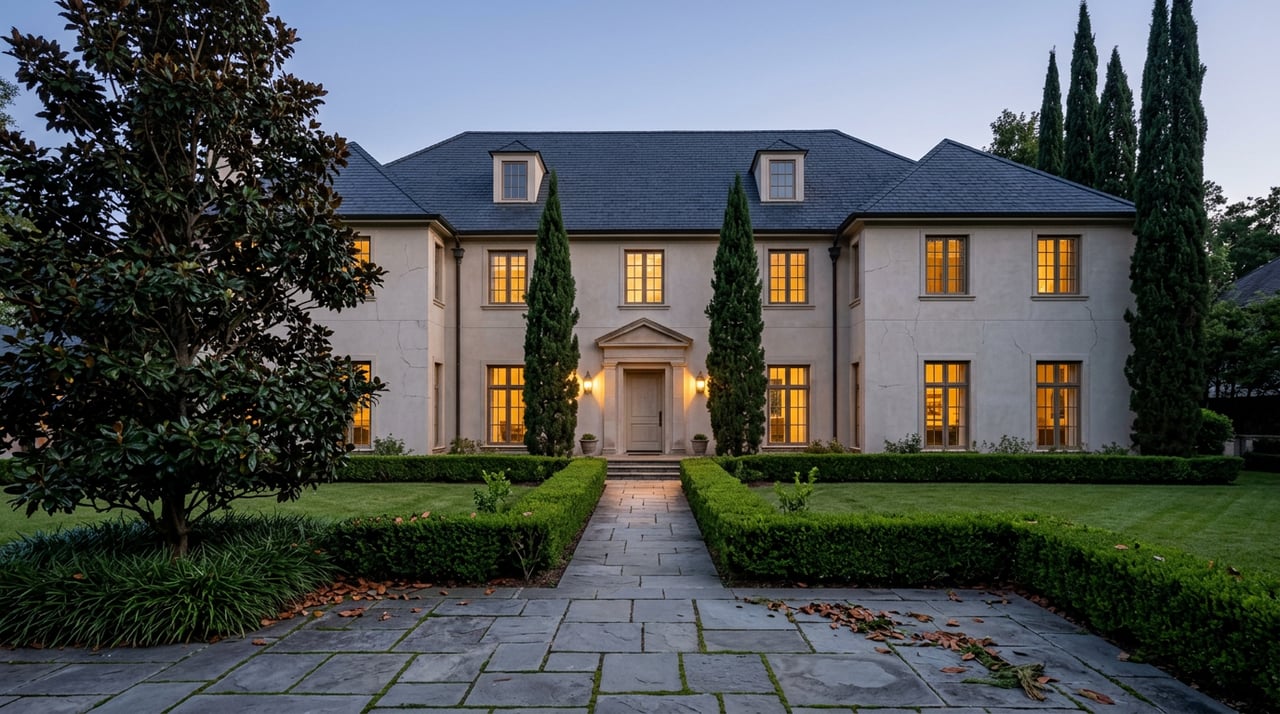
If you are comparing these two areas, the simplest difference is this: Preston Hollow often feels more private and estate-oriented, while the Park Cities tend to feel more compact, public-facing, and town-centered.
Preston Hollow is best understood as a large residential district centered around the Northwest Highway and Preston Road corridor. According to the Northwest Highway and Preston Road Area Plan, the area includes stable, protected neighborhoods with housing that ranges from rental apartments to estate properties, with Preston Center intended to serve as a renewed, walkable urban core.
By contrast, Highland Park and University Park have a more concentrated, town-like structure. Highland Park’s history notes that 20% of developed land was reserved for parks, while University Park describes itself as a predominantly residential community about five miles north of downtown Dallas with parks and convenient access to shopping, recreation, and business activity.
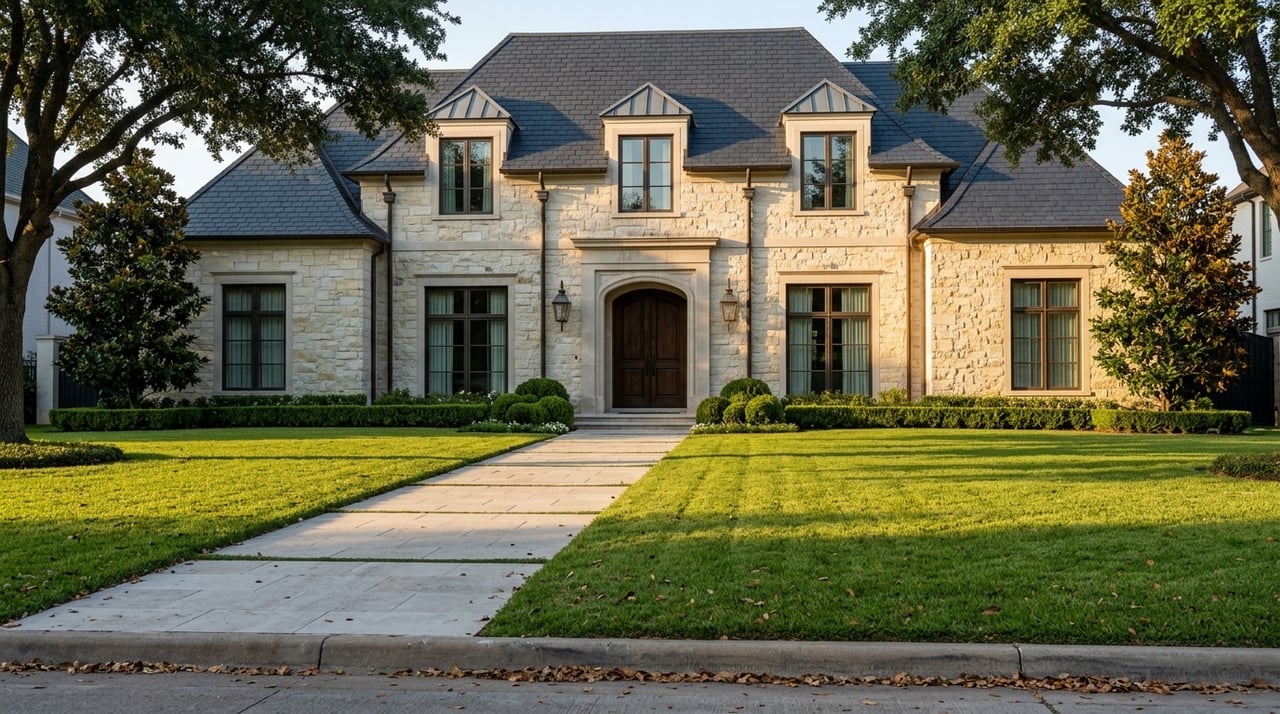
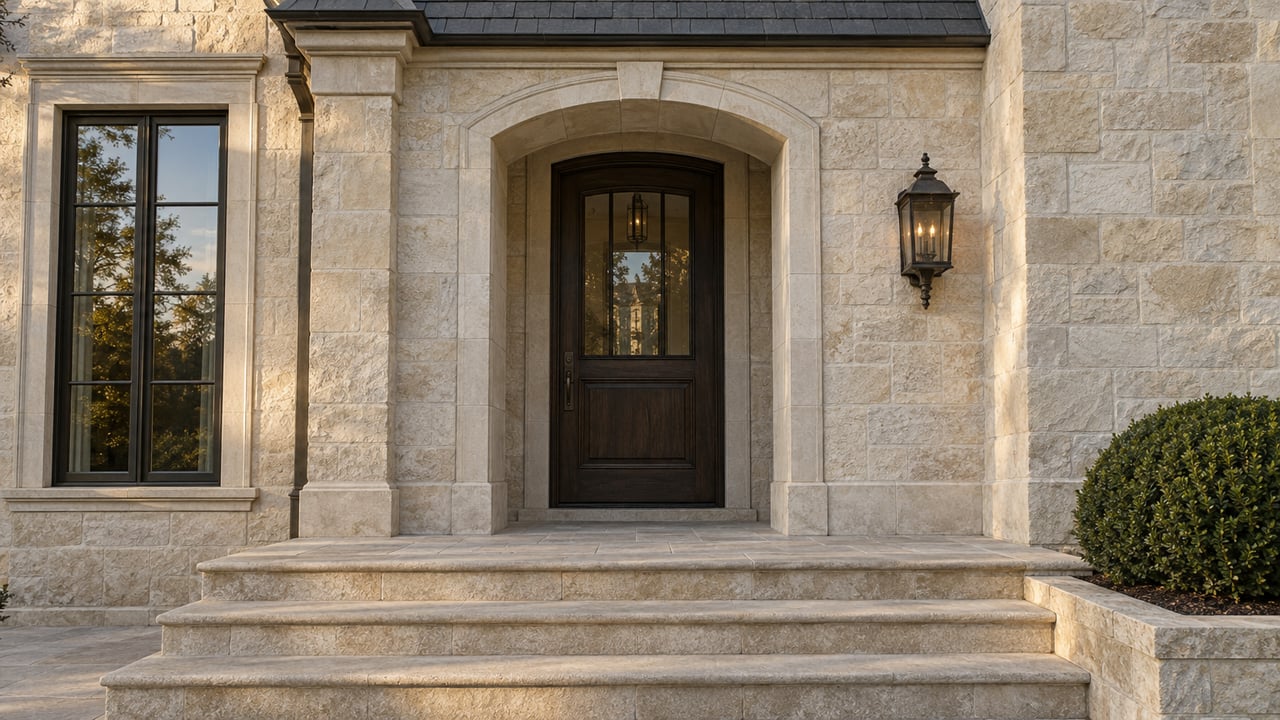
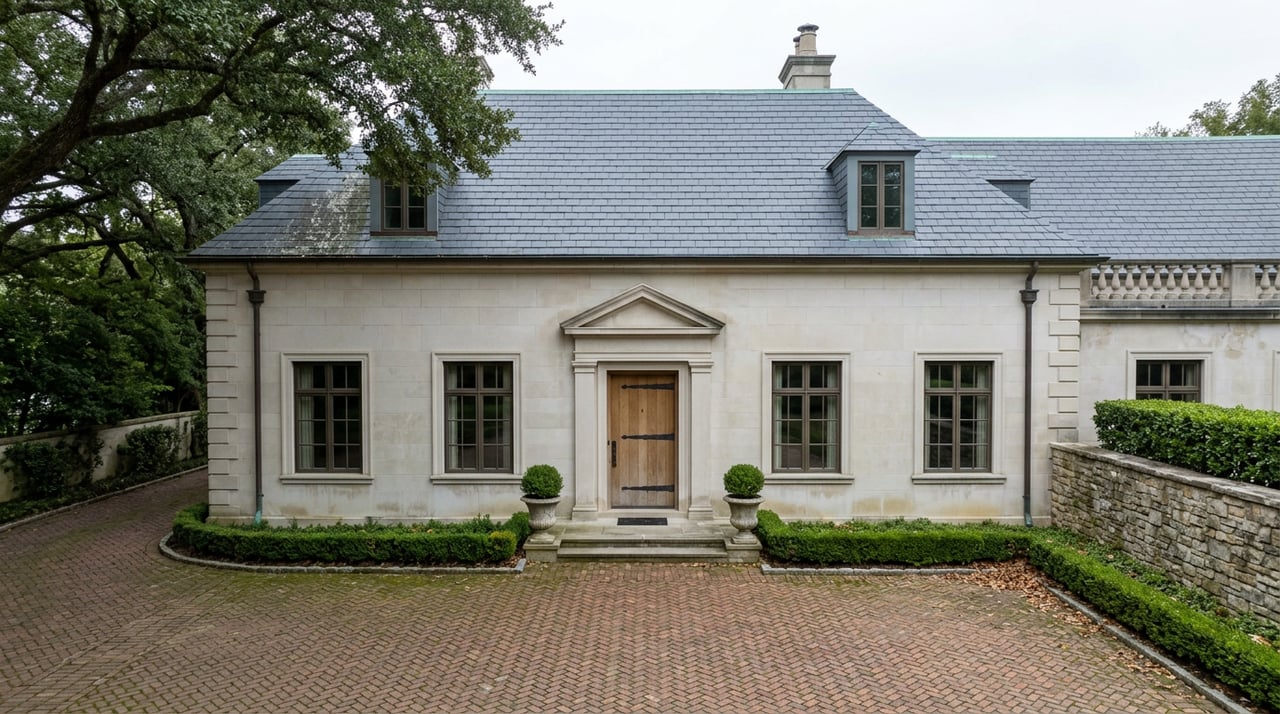
For many buyers, Preston Hollow is the choice that feels more tucked away. City preservation materials on the Underwood House landmark nomination describe features like a gated portal, curved driveway, large front and back yards, and mature landscaping on a substantial lot.
That pattern helps explain why Preston Hollow is often associated with privacy, setbacks, and larger home sites. Historic preservation records also show that the broader area once included 1.5-acre lots, and Dallas notes that many older ranch homes in the area have been replaced by larger houses over time.
Preston Hollow tends to read as residential-first in how it is organized. The city’s area plan emphasizes protected neighborhoods and a wide mix of housing types, which supports the idea that this is a district built around home life more than a central public gathering square.
If your ideal day starts and ends with a quieter home base, this can be a strong fit. You may find that the appeal here is less about being in the middle of the action and more about having breathing room when you get home.
Retail and dining in Preston Hollow are convenient, but they are spread across a few major destinations rather than one all-purpose neighborhood core. Preston Hollow Village describes its pedestrian-friendly Main Street as a mix of restaurants, retail, offices, and residences.
Nearby, The Plaza at Preston Center is referenced in the area planning context as part of the renewed core concept, and NorthPark Center is noted in the research as having more than 200 stores and restaurants just 7 miles from downtown Dallas. In practical terms, that often means you drive to well-established shopping and dining nodes, enjoy what you need, and head back home.
The Park Cities, made up of Highland Park and University Park, often feel more visually connected to public space. University Park highlights its tree canopy and tree-lined streets, while Highland Park notes that mature trees help soften the urban environment.
Parks also play a more visible role in daily life here. University Park maintains eight major parks, and Highland Park’s park system includes 22 park locations, including Lakeside Park, which features 14.32 landscaped acres along Turtle Creek.
One of the biggest lifestyle differences is how often neighborhood centers show up in your routine. University Park describes Snider Plaza as the heart and original commercial district, and Snider Plaza’s own materials describe it as a place where people shop, linger, and connect in a neighborhood setting.
That matters because the mix of uses includes everyday conveniences like grocery, pharmacy, and library access. Instead of feeling like you are heading to a separate retail district, the experience can feel more woven into everyday neighborhood life.
The Park Cities also have a more outward-facing social rhythm. University Park says its parks and recreation system is designed to support leisure needs, and its public programming includes events such as holiday tree lighting and Arbor Day celebrations.
Highland Park also emphasizes active stewardship of public open spaces, along with access to amenities like tennis and pickleball. Together, those details support a lifestyle that feels polished, active, and shaped by shared public spaces.
If lifestyle fit matters to you, the retail pattern is worth paying attention to. In Preston Hollow, convenience is strong, but it is generally concentrated in a handful of established destinations such as Preston Hollow Village, Preston Center, and NorthPark Center.
In the Park Cities, commercial areas often feel smaller in scale but more integrated into the neighborhood fabric. Highland Park Village is known as an open-air shopping and dining destination with restaurants, valet parking, personal shopping, seasonal events, and a holiday lights display, while Snider Plaza functions more like an everyday neighborhood hub.
That difference can shape your routine in subtle ways. Preston Hollow may feel more drive-and-return, while the Park Cities may feel more stroll-and-stop.
If you are buying, this comparison goes beyond architecture or price point. It is about how you want your day to feel when you leave the driveway, run errands, spend time outdoors, or meet friends for coffee.
If you are selling, understanding these lifestyle differences matters just as much. The strongest marketing usually connects your home to the kind of daily experience buyers are searching for, whether that means privacy and scale in Preston Hollow or connectivity and neighborhood-center energy in the Park Cities.
That is where local context becomes valuable. A home search or sale is easier when you can evaluate not just the property, but the rhythm of the area around it.
If you are weighing Preston Hollow against the Park Cities, working with a local team can help you narrow the fit faster and with more confidence. Chris Blackman offers a relationship-first approach with hyperlocal insight across Preston Hollow, Highland Park, and University Park, whether you are buying, selling, relocating, or exploring off-market opportunities.
What drives The Blackman Group forward is our shared objective to serve clients at the highest level of professionalism, enthusiasm, and energy. Whether helping clients with a sale, a purchase, a lease, a relocation, or an investment, TBG operates with the standard that every transaction be a "'win" for our clients.
The Blackman Group
5960 BERKSHIRE LN STE 700 DALLAS TX 75225