Buying a Historic Home in Highland Park: What to Know
Thinking about buying a historic home in Highland Park? You are not just shopping for square footage. You are stepping into a neighborhood shaped by early 20th-century planning, long-lived architecture, and a strong sense of place. If you want the charm of an older home without getting surprised by restrictions, repairs, or renovation costs, this guide will help you know what to look for before you buy. Let’s dive in.
Highland Park’s historic feel starts with its origins. The area was laid out in 1907, the first lots were sold in 1909, and residents incorporated the town in 1913. From the beginning, the plan reserved 20% of the land for parks, which helps explain the neighborhood’s landscaped, park-oriented character today.
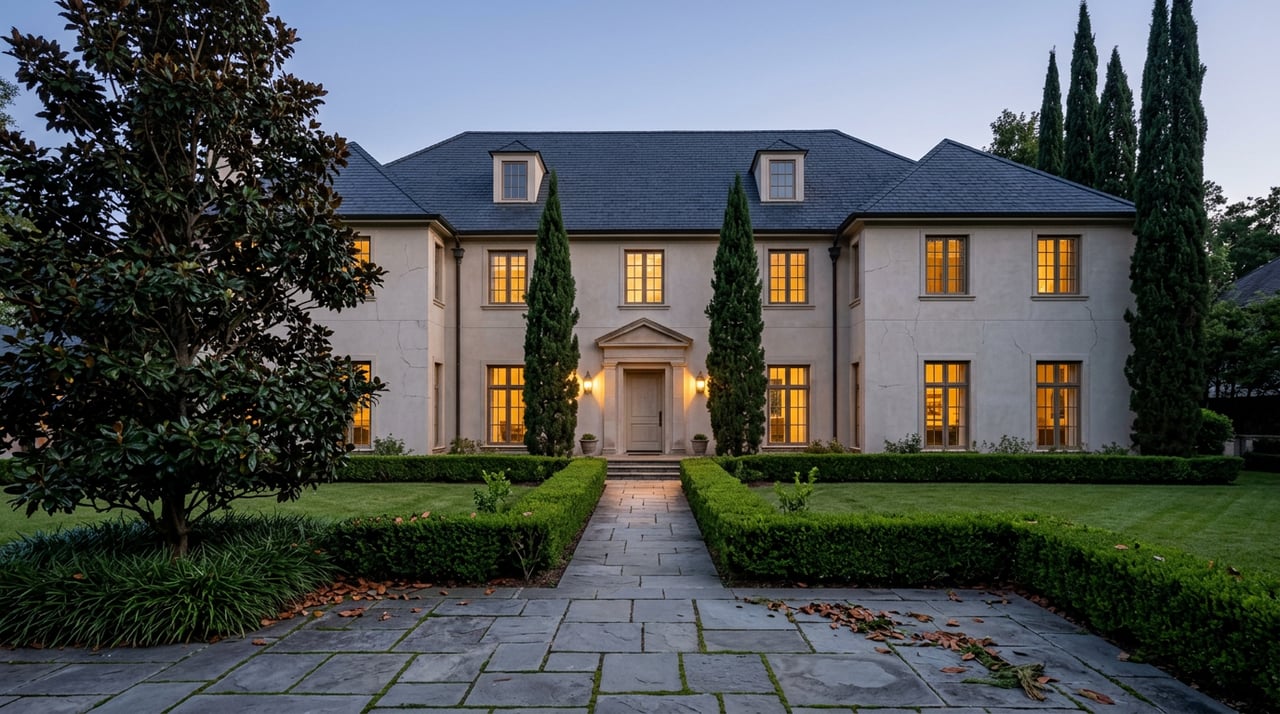
That background matters when you are evaluating a home here. In Highland Park, historic appeal is often about more than age alone. Architecture, craftsmanship, mature setting, and the way a house fits its block can all shape a property’s character.
Preservation Park Cities notes that homes across the Park Cities span nearly 100 years of building styles. You may see Prairie, Tudor, Ranch, and Mid-Century Contemporary influences, often within a short drive of each other. That variety is part of what makes Highland Park feel layered and distinct.
A home can look historic, feel historic, or be officially designated, and those are not always the same thing. That distinction is important when you are weighing your renovation plans and long-term budget.
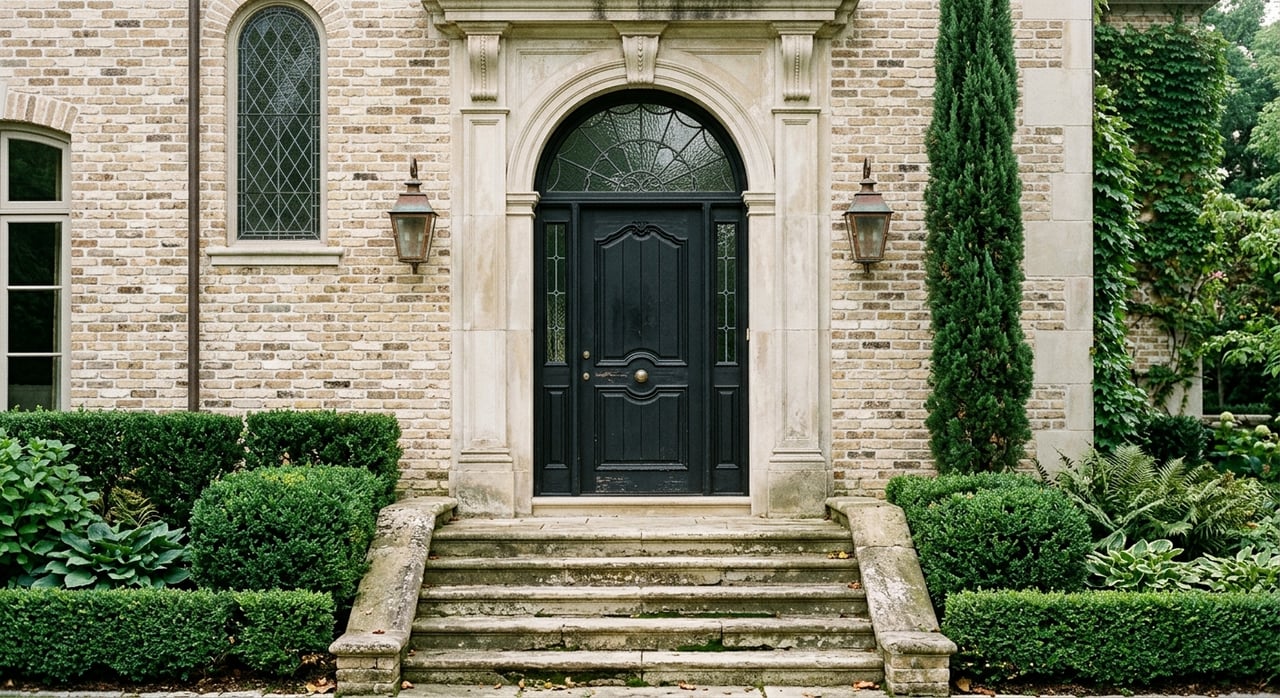
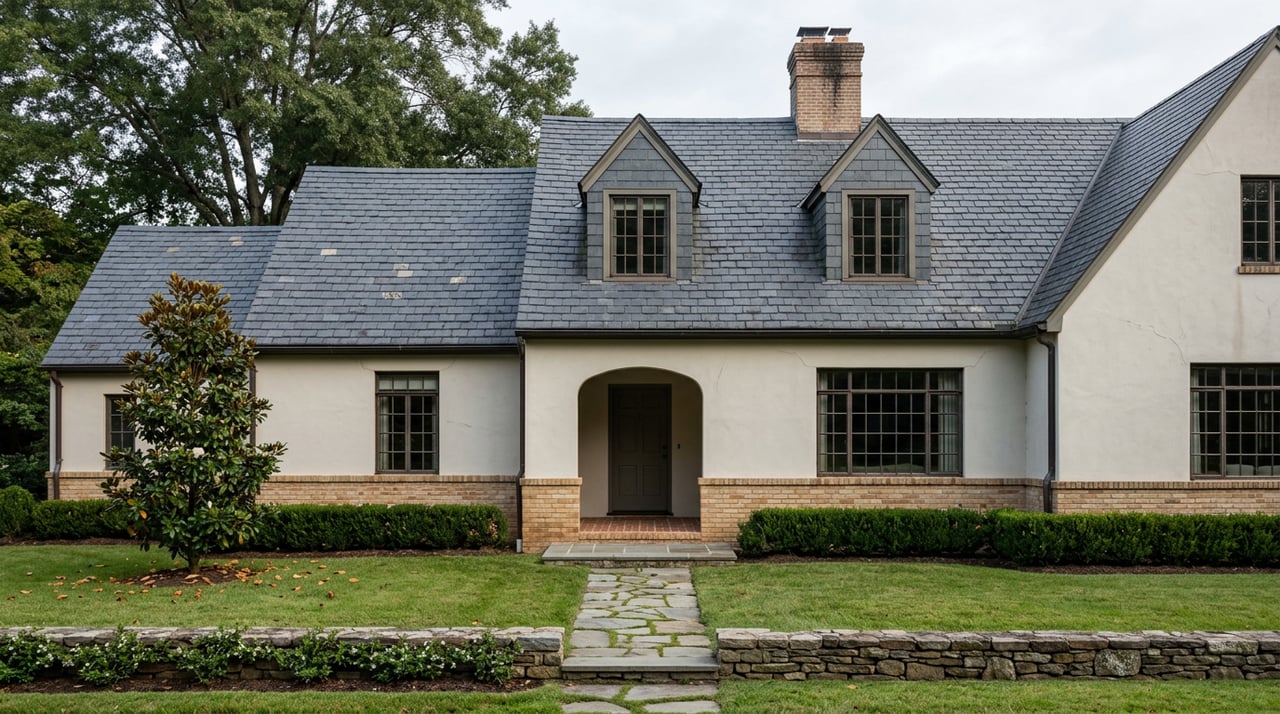
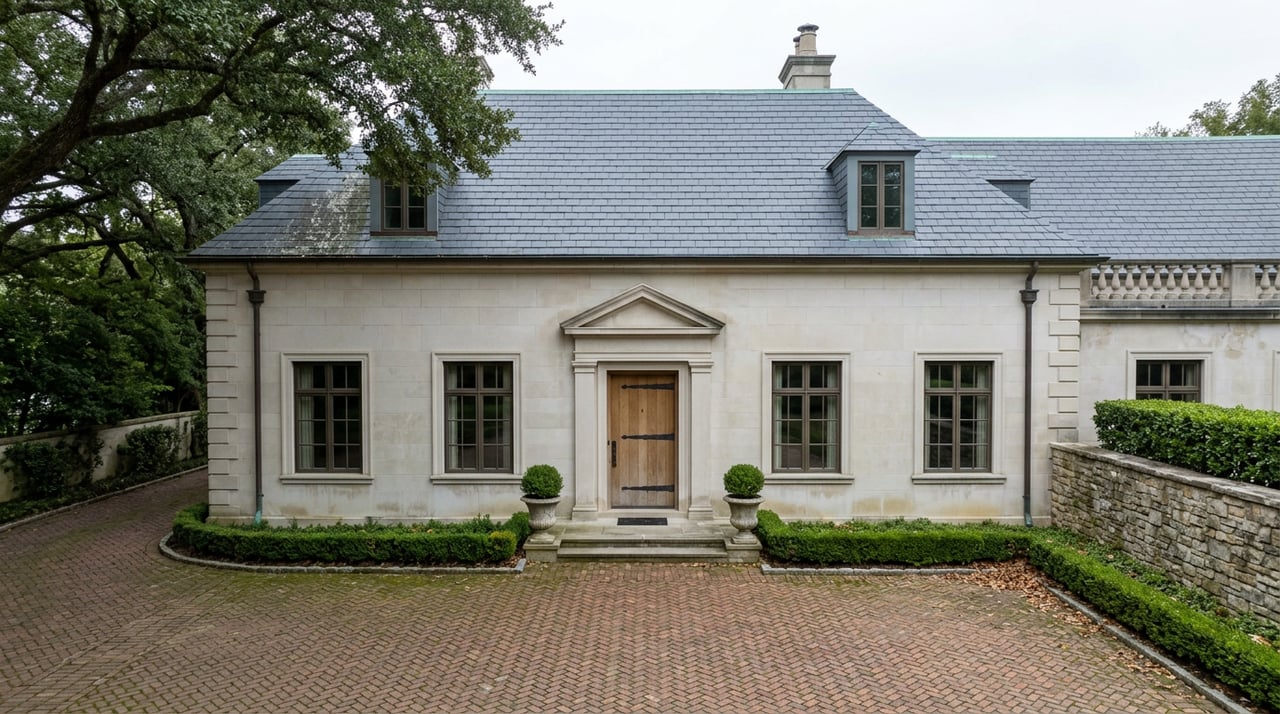
According to Preservation Park Cities, the most important historic features often include the street-facing façade and roofline. Exterior materials, windows, doors, dormers, eaves, chimneys, massing, and visible architectural details usually carry more weight than whether the kitchen or baths have been updated.
In plain terms, a beautifully renovated interior does not erase a home’s historic character. At the same time, a heavily altered exterior may affect how authentic the home feels from the street. If you love older homes but want modern function, that balance is worth paying attention to.
For many Highland Park homes, the public-facing exterior tells the story. The original shell, proportions, and details are often the features that define the house’s character.
That is also why many sensitive additions happen at the rear. Preservation Park Cities notes that homes can often be expanded in less visible areas while preserving the original look from the street. If you hope to add space later, this is a smart framework to keep in mind.
Historic value is not limited to the structure itself. Preservation Park Cities also considers landscaped setting, district integrity, and blockface character as part of a property’s significance.
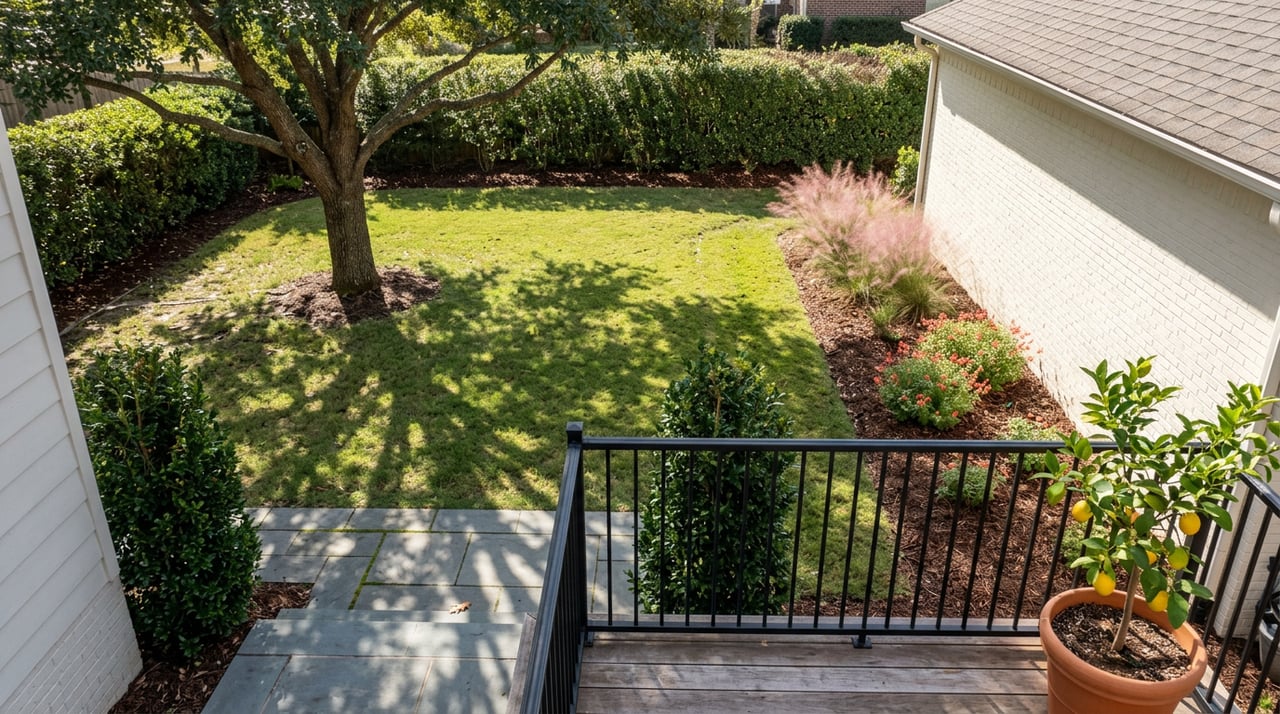
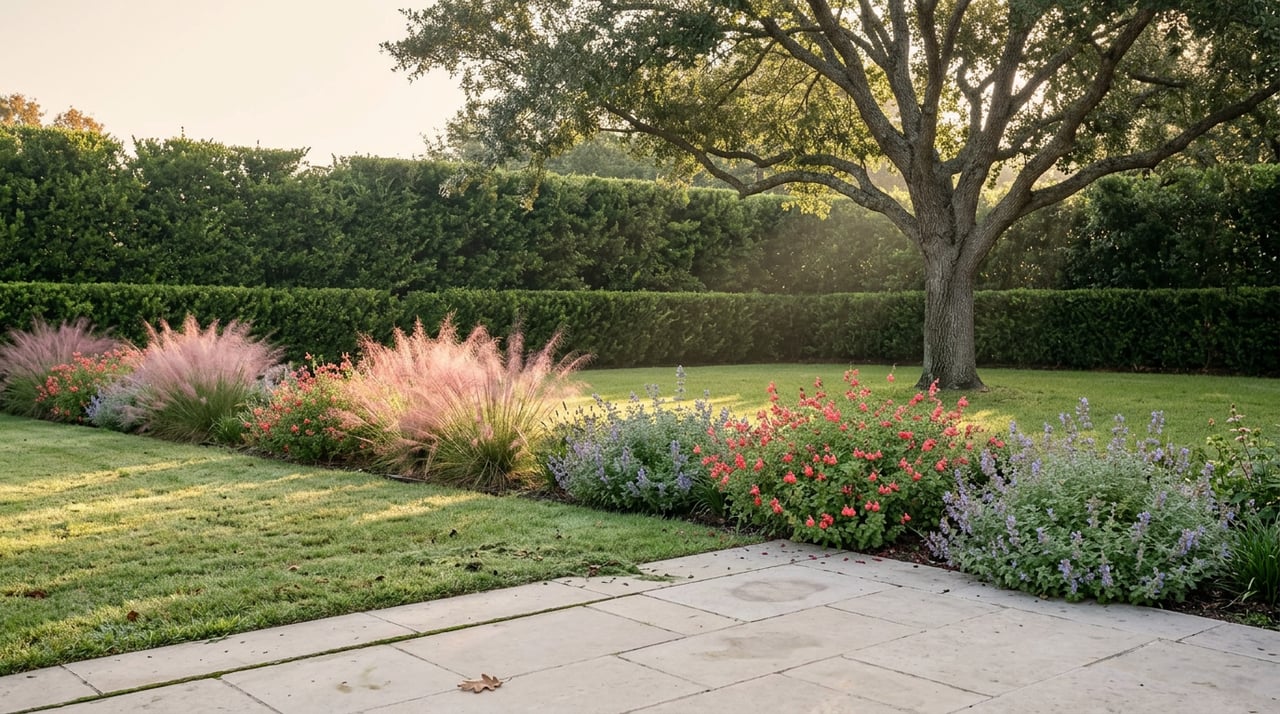
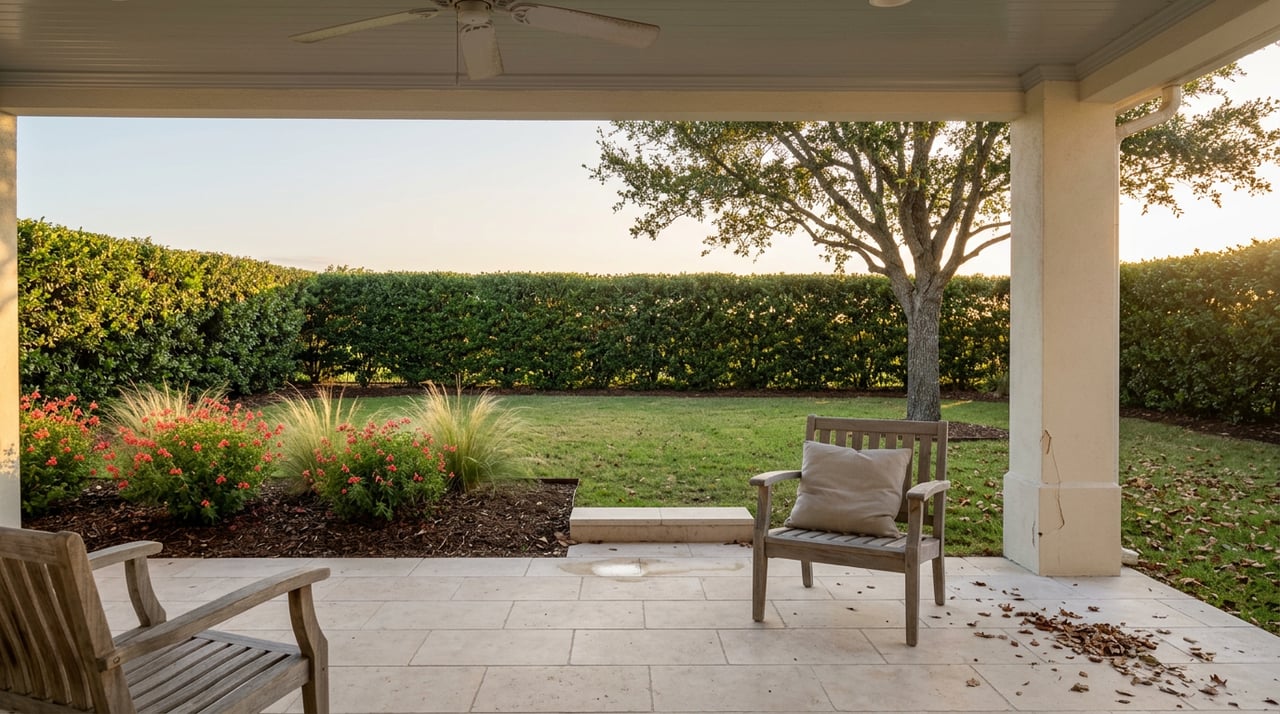
In Highland Park, mature trees, established yards, and the broader streetscape often contribute to a home’s appeal. When you buy here, you are often buying into a setting as much as a structure.
This is one of the biggest misconceptions buyers have. A house may look historic and still have no formal historic designation.
That matters because different designations come with very different rules. National Register listing, for example, does not place restrictions on what a non-federal private owner may do with the property. By contrast, a Texas Recorded Texas Historic Landmark designation does carry legal protection tied to exterior changes.
If a home has a Texas landmark designation, the owner must notify the Texas Historical Commission in writing at least 60 days before exterior changes begin. That is a major planning consideration if you expect to repaint, remodel, or alter exterior elements after closing.
Before you move forward on a historic or historic-looking home, ask for clarity on:
A beautiful old home can still be a great fit. You just want to understand what you can and cannot do before it becomes your project.
If you are planning updates, permit rules should be part of your decision early on. Highland Park’s Community Development page states that permits are required for painting, repairs, remodeling, additions, demolition, fences, flatwork, and electrical, mechanical, and plumbing work, among other categories.
That is a broad list, and it means even smaller projects may need review. The town also states that contractors must be licensed in Texas and registered with the Town, and that the property owner is responsible for making sure the permit is obtained.
For buyers, this means due diligence should extend beyond the house itself. If the home has older work, additions, or visible changes, it is worth confirming how those projects were handled and what future updates may require.
Every home purchase deserves a solid inspection, but older homes usually need a deeper level of review. Age alone can increase the chance of hidden issues behind finished surfaces or within older systems.
A general inspection is a strong starting point, but it may not answer every question. Depending on the home’s age and condition, you may also need specialized follow-up for materials, structural concerns, drainage, roofing, or preservation-sensitive elements.
If the home was built before 1978, lead-based paint is a real consideration. The EPA says lead-based paint becomes more likely as homes get older, and it reports that 87% of homes built before 1940 contain some lead-based paint.
If painted surfaces will be disturbed during renovation, certified lead-safe work practices may be required for pre-1978 homes. That can affect both your renovation timeline and your contractor planning.
Asbestos can also show up in older materials. The Consumer Product Safety Commission notes that it is commonly found in items such as pipe and furnace insulation, shingles, textured paints, and floor tiles. If an inspection raises red flags, follow-up testing or specialist review may be the smart next step.
When buying a historic home in Highland Park, these questions can help you uncover issues early:
These are not small details. In an older home, they can shape your ownership costs from day one.
One of the most common mistakes buyers make is underestimating the cost of ongoing exterior care. In older homes, maintenance is often just as important as design updates.
EPA guidance for older homes notes that water intrusion is the most common cause of house damage. That is why elements like gutters, downspouts, flashing, chimney caps, and even landscaping deserve close attention before you buy.
A house can have beautiful finishes and still have expensive deferred maintenance outside. In Highland Park, where mature landscaping and established homes are part of the appeal, staying ahead of exterior upkeep is often essential.
Older homes often have less insulation than newer ones. The U.S. Department of Energy recommends an energy assessment and proper air sealing before adding insulation, which can help improve comfort and efficiency.
This is especially important if you want to preserve architectural details while making the home more livable. A whole-house approach usually works better than chasing one quick fix at a time.
If you are buying a historic home, original windows and doors deserve a closer look before you assume they need replacement. The National Park Service says they can often be repaired or upgraded, and storm windows may be a good option.
That same guidance also says the common claim that replacement windows will save 50% in energy costs is not true. For many buyers, that means repair and thoughtful improvement may offer a better balance of comfort, appearance, and long-term value.
If you want to modernize an older Highland Park home, your best path is usually a measured one. Preservation standards generally favor repair and retention over wholesale replacement, while still allowing sensitive upgrades to mechanical, electrical, and plumbing systems when needed.
A practical approach is to protect the home’s public-facing façade and roofline first. Then, look for flexibility in less visible areas where updates can improve daily living without changing the home’s defining character.
That mindset can help you avoid costly mistakes. It also tends to preserve the architectural qualities that drew you to the home in the first place.
Buying a historic home is rarely just about finding a pretty house online. You need to understand location, lot context, visible character, likely maintenance needs, and whether your future plans fit the property.
That is where local insight matters. In a place like Highland Park, two homes with similar square footage can offer very different ownership experiences depending on age, condition, prior updates, and restrictions.
A thoughtful search can also help you compare options more clearly. Some buyers want an older home with preserved details and minimal immediate work. Others want a house with historic character but enough flexibility for future expansion or upgrades. Knowing your version of the right fit can save time, money, and frustration.
If you are considering buying a historic home in Highland Park, working with a neighborhood-focused team can help you spot the difference between charm that adds value and charm that adds surprise costs. If you want a tailored search strategy and practical guidance on what to look for, reach out to Chris Blackman for a complimentary neighborhood consultation.
What drives The Blackman Group forward is our shared objective to serve clients at the highest level of professionalism, enthusiasm, and energy. Whether helping clients with a sale, a purchase, a lease, a relocation, or an investment, TBG operates with the standard that every transaction be a "'win" for our clients.
The Blackman Group
5960 BERKSHIRE LN STE 700 DALLAS TX 75225