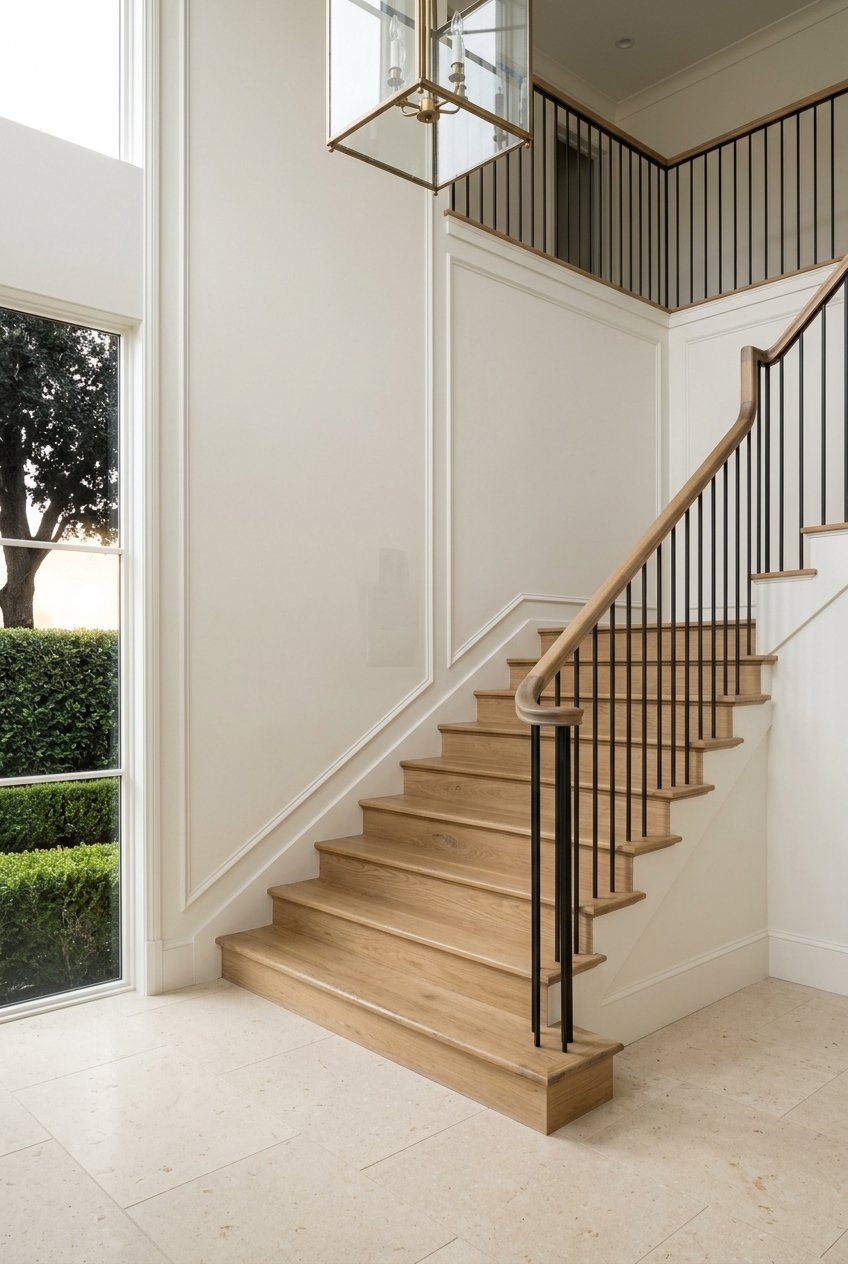
Staging And Make-Ready Game Plan For University Park Sellers
If you are getting ready to sell in University Park, one truth matters right away: in a market where buyers can compare high-end homes carefully, presentation is not a side project. With local data showing median sale and list prices in the multi-million-dollar range and homes spending roughly 23 to 33 days on market, buyers have both expectations and options. The good news is that a smart make-ready plan can help your home feel cleaner, calmer, and more compelling from the first photo to the first showing. Let’s dive in.
University Park is a premium market, and buyers often notice condition, layout flow, and finish level quickly. Zillow reported an average home value of about $2.48 million as of May 31, 2026, while Redfin reported a median sale price near $2.5 million for the three months ending May 2026. Realtor.com also described the market as a buyer’s market in May 2026, which means presentation can carry even more weight.
In practical terms, your home does not need to chase every design trend to compete well. It needs to remove friction. Buyers should be able to walk in, understand the space easily, and focus on the home’s strengths instead of a to-do list.
Staging is not about disguising problems or creating a fake lifestyle. The National Association of Realtors defines staging as cleaning, decluttering, repairing, depersonalizing, and updating a home so buyers can picture themselves in it. That simple idea is often what helps a listing feel move-in ready, even before any major updates are considered.
NAR’s 2025 consumer guide reported that 83% of buyers’ agents said staging made it easier for buyers to visualize a property. More than a quarter of real estate professionals also said staged homes saw offered values that were 1% to 10% higher, and about half of sellers’ agents reported shorter time on market. That does not guarantee a higher sale price, but it does show why focused preparation is worth your attention.
Before you think about pillows, art, or styling details, start with the basics that buyers notice immediately. In most University Park listings, the first round of work should be about visible repairs, freshening surfaces, and making every room feel easier to read.
Fix obvious maintenance issues before photos and showings. A loose handle, chipped trim, sticking door, cracked switch plate, or stained caulk line may seem minor on its own, but small issues can add up fast in a buyer’s mind. Staging works best when it presents the home at its best, not when it tries to distract from repairs.
If your walls feel tired or overly specific, neutral paint is often one of the highest-impact updates. NAR recommends tones like white, beige, or gray instead of bold accent colors. In a market like University Park, a fresh neutral backdrop helps architecture, light, and room scale stand out.
A truly clean home reads as better cared for. Focus on windows, floors, bathrooms, visible surfaces, closets, and grout lines. Buyers may forgive dated finishes more easily than they forgive dirt.
Remove extra furniture, personal photos, and anything that interrupts visual flow. Buyers should be able to move through each room easily and understand how the space lives. The goal is not to make your home feel empty. It is to make it feel open.
A clear order helps you avoid wasted effort. The most effective sequence is usually entry, living areas, kitchen, baths, bedrooms, closets, and then exterior finishing touches.
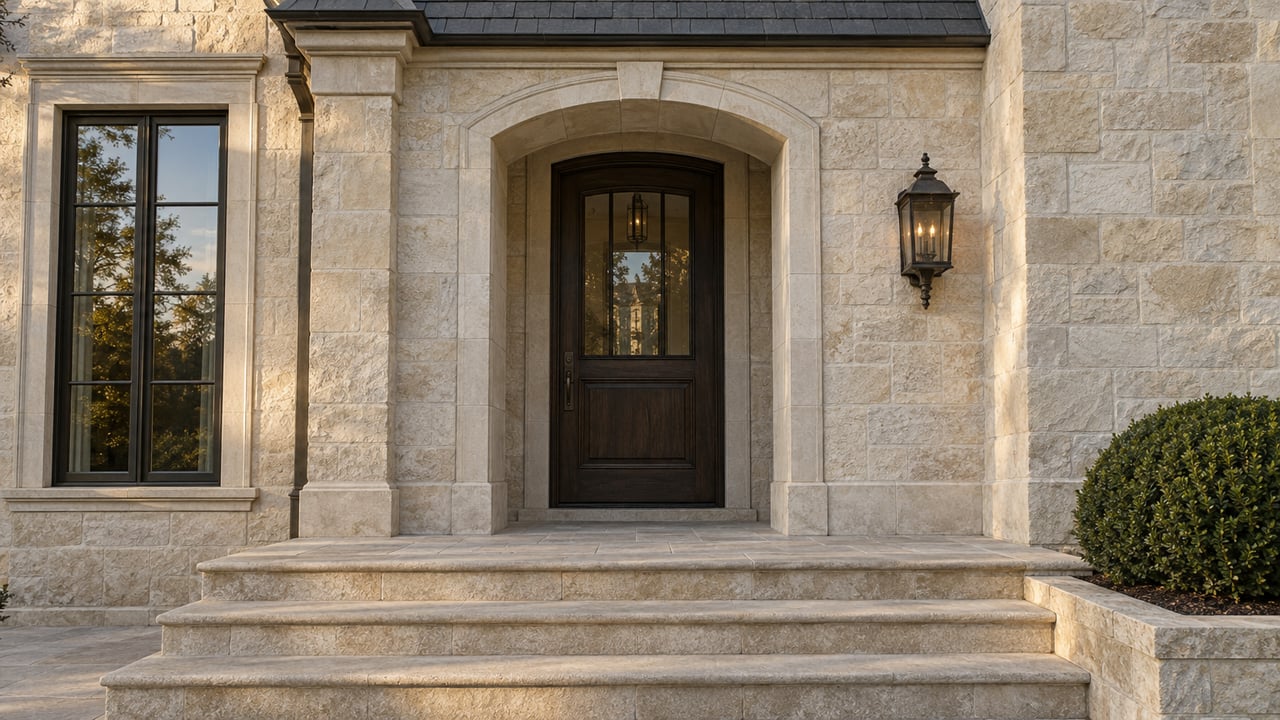
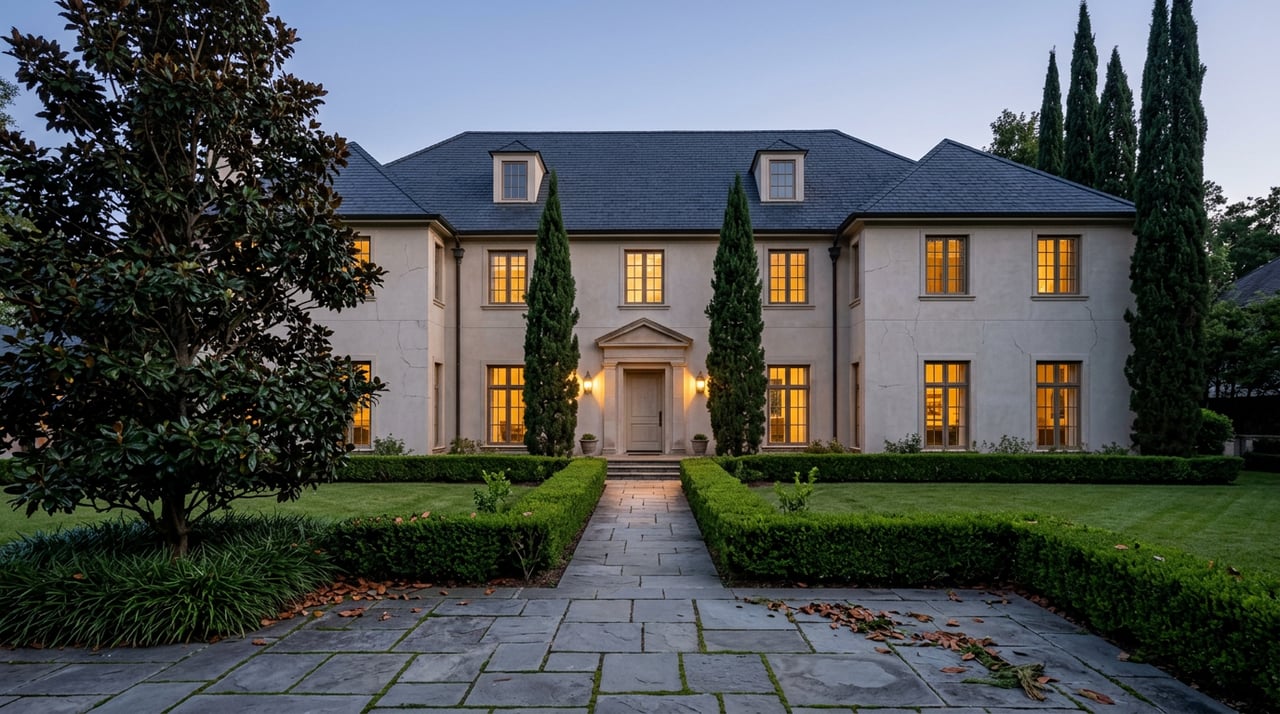
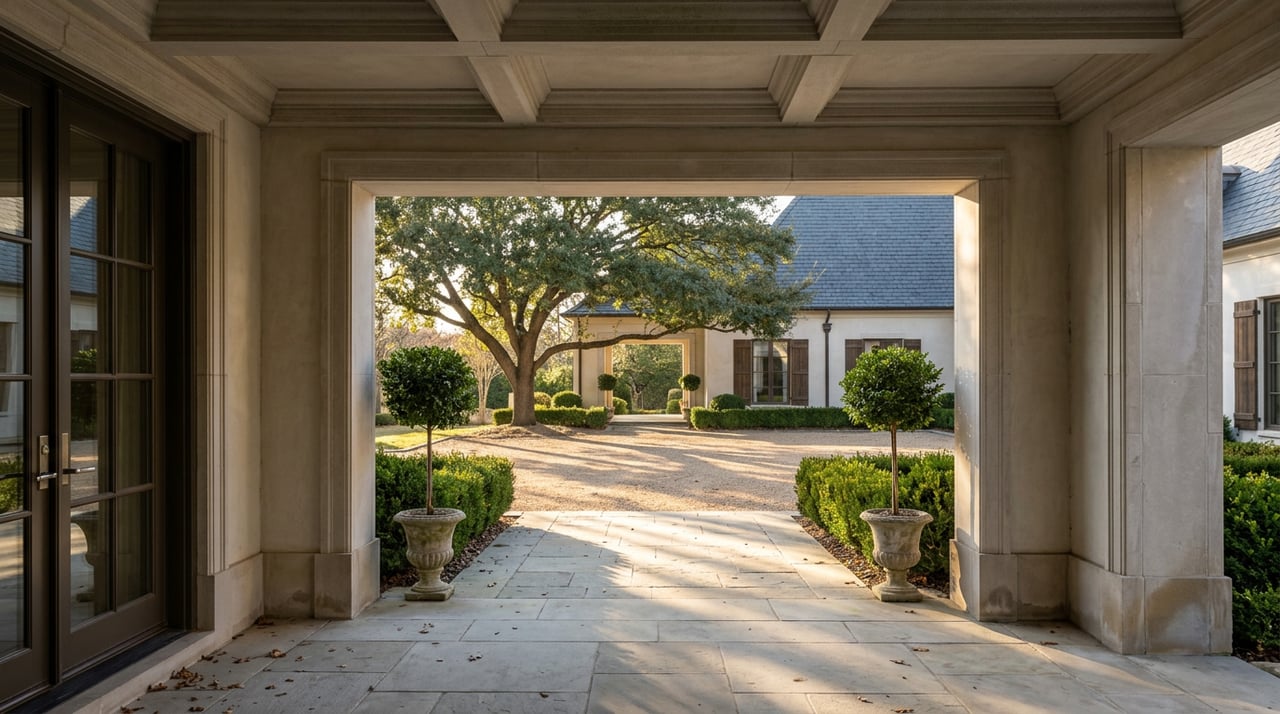
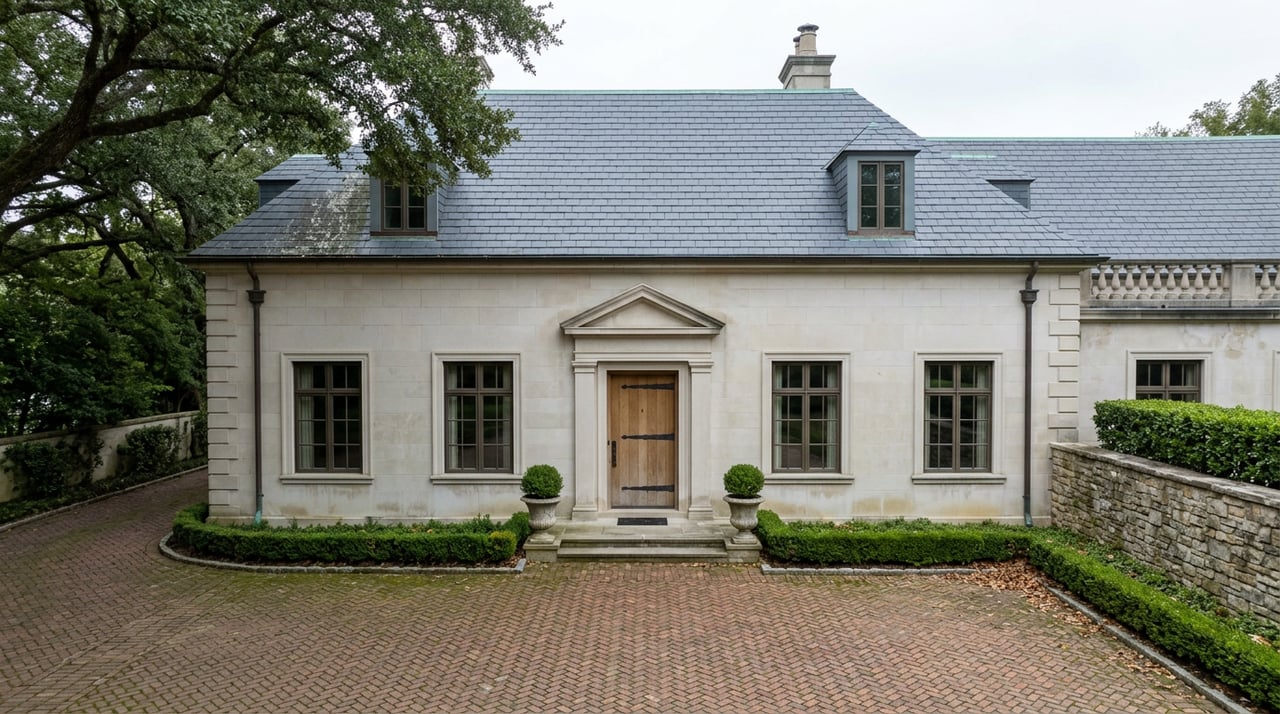
Your front approach sets the tone before a buyer reaches the door. Clear the walkway, trim landscaping, add a clean front-door mat, and make sure the front elevation feels polished and cared for. NAR also recommends small potted plants as a simple way to create a welcoming first impression.
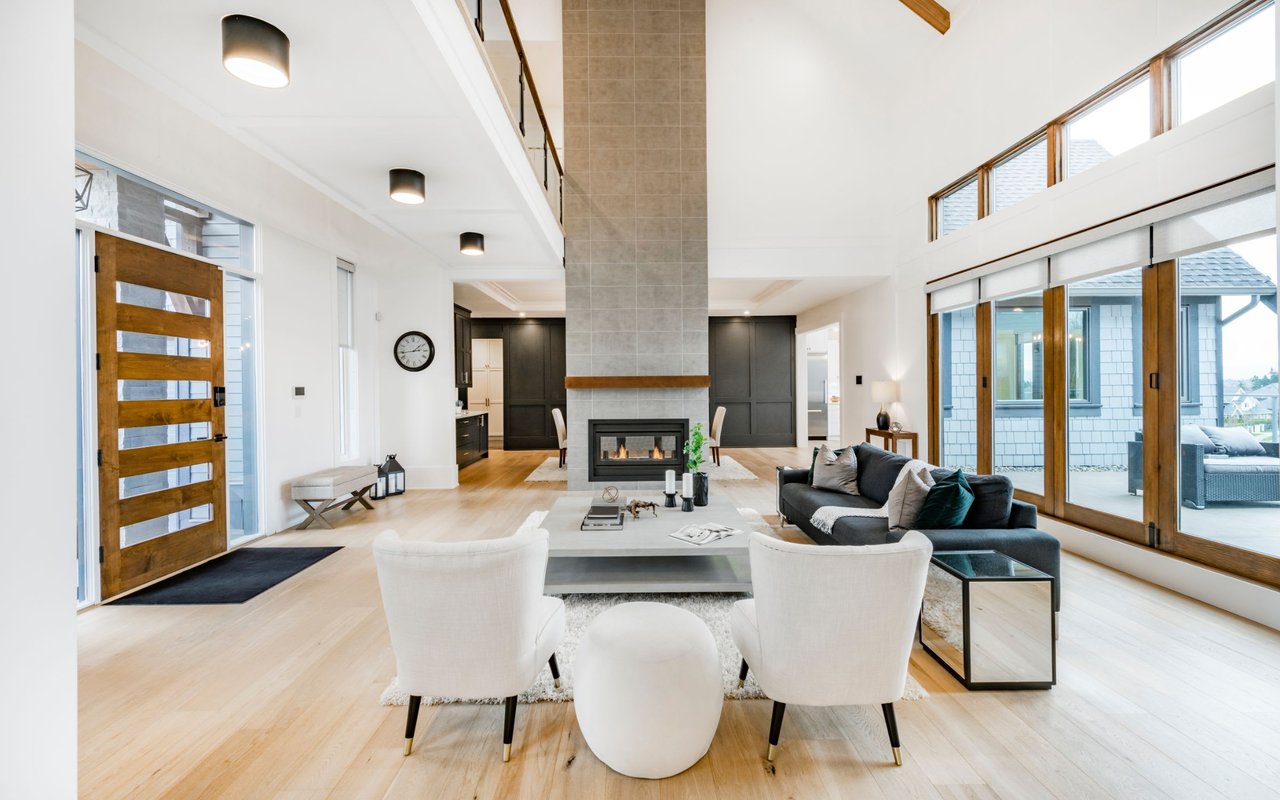
In living and dining spaces, less is usually more. Remove bulky or excess furniture so walking paths are clear and the room feels larger. Keep accessories restrained so buyers notice the room itself, not the number of objects in it.
Kitchens photograph best when counters are mostly open. Remove small appliances when possible, tidy up seating areas, and add only a few simple accents if needed. This helps buyers focus on workspace, storage, and finish quality.
Bathrooms do not need heavy styling to make a strong impression. Fresh towels, clean mirrors, simple toiletries, and spotless grout usually matter more. A bathroom that feels crisp and bright tends to show better than one with too many decorative touches.
Bedrooms should feel restful and spacious. Neutral bedding, fewer visible personal items, and clean surfaces help create that effect. Buyers tend to respond well when bedrooms feel simple, light, and easy to imagine as their own.
Closets are part of the showing, not storage for last-minute overflow. NAR recommends keeping closets about half full rather than packed. Visible storage space helps the whole home feel larger and better organized.
Your home should be camera-ready before it hits the market. That matters because the MLS is the main distribution channel that pushes listing information to brokerage and consumer websites. If your listing photos go live before the home is fully prepared, you may lose momentum with buyers who make quick decisions online.
That is why the ideal order is not launch first and improve later. It is prep first, photograph second, and then go live with a polished presentation.
Many seller make-ready tasks are cosmetic, but it is still important to know where the line is. According to the City of University Park, painting, wallpapering, and similar finish work do not require a construction permit. The city also says that replacing plumbing, mechanical, and electrical fixtures such as faucets or switches does not normally require a permit.
However, some items do require approval. A new water heater or a permanently wired light fixture does, and most new construction, remodeling, and additions require permits as well. If you are deciding between a cosmetic refresh and a bigger project, this distinction can help you choose the faster and more practical path.
If you want the process to feel manageable, use a simple sequence and stick to it. This reduces last-minute scrambling and helps each step support the next one.
This order matches how buyers first experience your home online and then in person. It also helps you spend money and energy where it can have the clearest impact.
For sellers who want support with pre-listing work, Compass Concierge can be a useful tool. According to Compass, the program can cover services such as floor repair, carpet cleaning or replacement, staging, deep cleaning, decluttering, cosmetic renovations, landscaping, painting, moving and storage, fencing, electrical work, and kitchen or bathroom improvements.
Compass says the agent helps engage contractors and vendors, and repayment is due when the home sells, the listing agreement ends, or 12 months pass, with market-specific terms applying. Zero is due until close. For busy University Park sellers, the appeal is often simple: less upfront cash pressure and more coordination around a focused make-ready plan.
The best University Park prep plan is usually not the biggest one. It is the clearest one. If you focus on repairs, neutral paint, deep cleaning, decluttering, and a room-by-room staging strategy, you give buyers fewer reasons to hesitate and more reasons to connect with the home.
That is where experienced guidance can make a real difference. A thoughtful walkthrough, a realistic punch list, and a calm launch plan can help you avoid over-improving while still presenting the property at a very high level. If you are thinking about selling in University Park and want a tailored make-ready strategy, Chris Blackman can help you map out the right next steps.
What drives The Blackman Group forward is our shared objective to serve clients at the highest level of professionalism, enthusiasm, and energy. Whether helping clients with a sale, a purchase, a lease, a relocation, or an investment, TBG operates with the standard that every transaction be a "'win" for our clients.
The Blackman Group
5960 BERKSHIRE LN STE 700 DALLAS TX 75225