Choosing Between Original Charm And New Construction In Lakewood
Wondering whether Lakewood’s original cottages and Tudors are worth the upkeep, or if newer construction is the smarter move? You are not alone. In a neighborhood where architectural character, tree-lined streets, and long-term value all shape the decision, choosing the right home often comes down to more than square footage. This guide will help you weigh charm, maintenance, efficiency, and future flexibility so you can make a confident move in Lakewood. Let’s dive in.
Lakewood is not a blank-slate neighborhood. The area sits west of White Rock Lake and is known for tree-lined streets, historic homes, and a strong neighborhood identity.
The City of Dallas lists Lakewood as Conservation District #2, and preservation materials show that much of the neighborhood developed between 1925 and 1946. That history still matters today because the homes and streetscape are a big part of what draws buyers to the area.
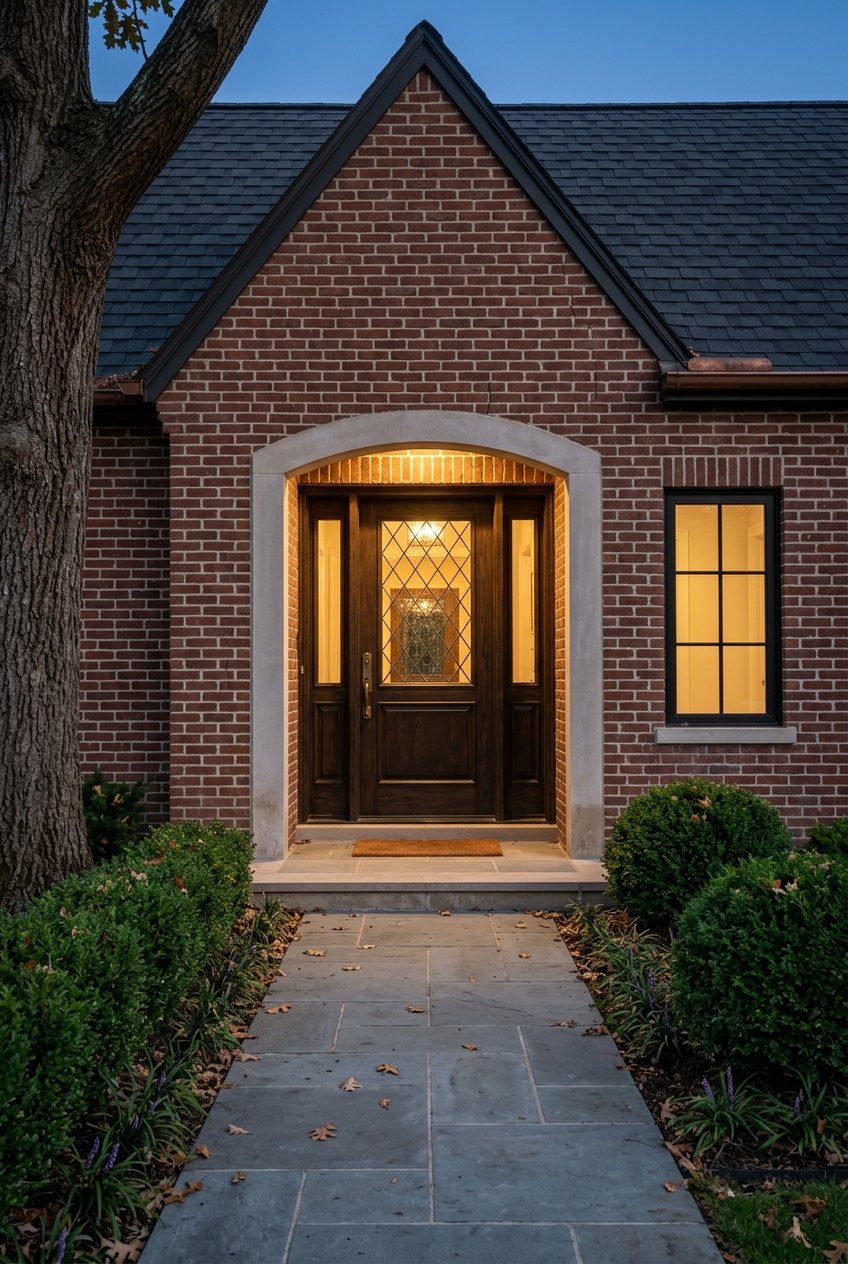
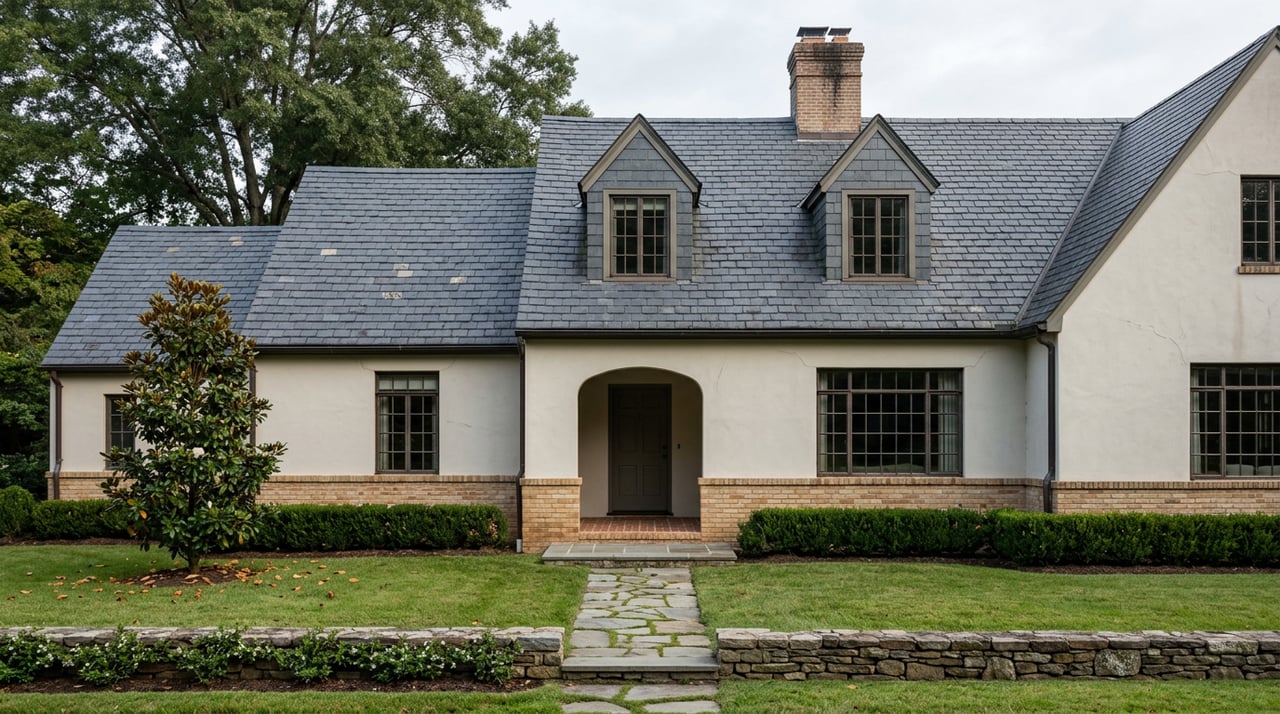
City preservation materials also note that builder Dines & Kraft shaped much of Lakewood with Tudor, Dutch Colonial, and Prairie-style homes. Those homes remain sought-after, which means architectural consistency can play a real role in desirability and resale.
If you love homes with personality, older Lakewood properties often deliver it right away. Original-era homes usually offer distinctive facades, established block appeal, and details tied to the neighborhood’s early development.
That character can create a stronger emotional pull than a home that feels more standardized. In Lakewood, buyers are often responding not just to the house itself, but to how it fits into the surrounding streetscape.
In some neighborhoods, charm is a bonus. In Lakewood, it is often part of the value proposition. The neighborhood’s preserved identity is one reason many buyers are willing to take on an older home.
This can be especially important if you want a home that feels rooted in the area rather than recently inserted into it. When a property aligns with the architectural rhythm of the block, that fit can matter over time.
The tradeoff is that older homes usually need more attention to comfort and efficiency. The U.S. Department of Energy notes that older homes were often not built with modern insulation standards, and ENERGY STAR estimates that air sealing and insulation can save an average of 15% on heating and cooling costs in typical existing homes.
For you, that may mean asking careful questions about insulation, windows, HVAC performance, and past upgrades. A beautiful Tudor can be deeply appealing, but it may also come with more near-term projects than a newer property.
If you are planning to remodel, older housing comes with a different level of diligence. In pre-1978 homes, renovation work that disturbs painted surfaces may trigger lead-safe requirements, and materials that may contain asbestos should be handled by trained professionals if they will be disturbed.
That does not mean you should avoid older homes. It means you should go in with clear eyes, a realistic project plan, and the right experts lined up before closing.
In Lakewood, what you can change is not just a design question. It can also be a city-approval question.
Dallas says conservation districts are meant to preserve neighborhood character, and district-specific standards can affect things like height, setbacks, roof style, and materials. The city also notes that a conservation-district work certificate may be required for new construction, exterior remodeling, demolition, or additions.
Even when a single-family interior remodel may not normally require a permit, historic and conservation district rules can add requirements. If you are thinking about expanding, reworking the exterior, or building new, this should be part of your evaluation before you write an offer.
Before moving forward on an older home or a teardown candidate, it helps to clarify a few things early:
These answers can shape your timeline, budget, and comfort level more than buyers expect at first.
For many buyers, new construction is appealing because it offers more predictability. That is often the biggest advantage.
ENERGY STAR says certified new homes must meet strict energy-efficiency requirements, and the Department of Energy says efficient new homes are built to rigorous standards for energy savings, comfort, health, and durability. In practical terms, that can mean fewer immediate upgrades and fewer large system projects in the first year.
If you would rather spend your first year enjoying the house instead of replacing or upgrading major components, a newer home may fit better. You may have less need for near-term weatherization, insulation work, or mechanical improvements compared with an older home that has not been modernized.
That can be especially helpful if you want a simpler move, more predictable monthly utility performance, or fewer surprise projects after closing.
A new house can solve some problems, but it can create new tradeoffs too. In Lakewood, usable outdoor space should be evaluated carefully on a property-by-property basis.
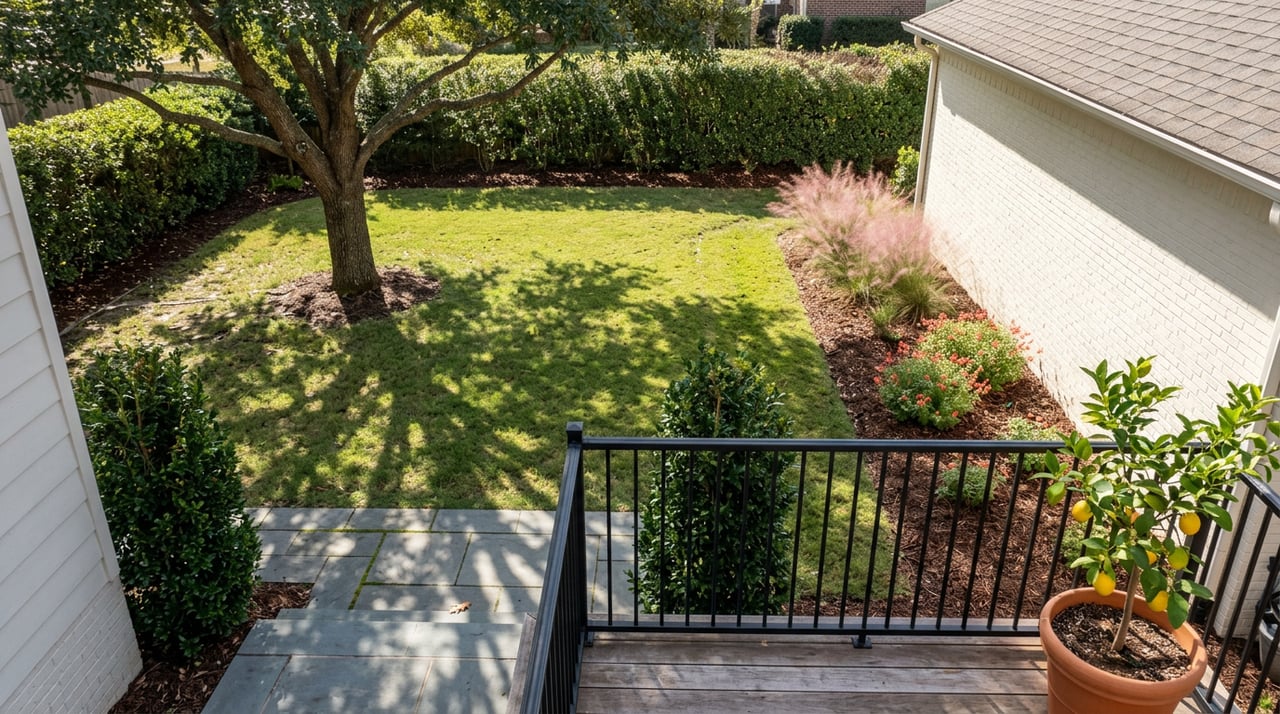
Because the neighborhood’s appeal includes its greenery, lake adjacency, and established streetscape, you will want to look beyond the house footprint. Consider how much yard remains once the building, driveway, setbacks, and any future addition plans are factored in.
Original charm and new construction can both be expensive, but the cost often shows up in different places. That is where many buyers find clarity.
With older homes, more of the budget often shifts into inspections, deferred maintenance, code-related considerations, and upgrades. With newer construction, more of the cost may be concentrated in the purchase price while reducing the immediate project load.
Instead of asking only, "What is the list price?" it helps to ask, "What will this home ask of me in the first year?" That frame often gives you a more useful comparison.
An original home may reward you with character and long-term satisfaction, but it may also need planning and cash reserves. A new home may cost more upfront, but it can offer a smoother first chapter of ownership.
In Lakewood, resale is not just about age. It is also about whether the home feels consistent with the neighborhood’s architectural character.
City preservation materials say Dines & Kraft homes remain sought-after today, and the Lakewood Neighborhood Association connects neighborhood beautification with support for property values. That suggests buyers should think carefully about how a property fits the broader context of the area.
A beautifully preserved or thoughtfully updated original home may hold strong appeal because it reflects what buyers come to Lakewood to find. A newer home can also perform well, but buyers should still pay attention to scale, exterior presence, and how the property relates to the lot and block.
There is no single right answer in Lakewood. The better question is which option fits your priorities, timeline, and tolerance for projects.
An original-era home may suit you best if you value architectural character, appreciate historic context, and feel comfortable managing renovation complexity. A newer home may be the better fit if you want a more predictable first year, stronger baseline efficiency, and fewer immediate upgrades.
If you are deciding between the two, it helps to compare not just features, but lifestyle. Think about how much uncertainty you are comfortable with, how soon you want to move in without projects, and whether you want to preserve history or prioritize convenience.
In a neighborhood like Lakewood, those answers often point you in the right direction faster than price alone.
If you want help weighing original charm against newer construction in Lakewood, Chris Blackman offers a warm, local perspective with the hands-on guidance to help you evaluate fit, future plans, and long-term value.
What drives The Blackman Group forward is our shared objective to serve clients at the highest level of professionalism, enthusiasm, and energy. Whether helping clients with a sale, a purchase, a lease, a relocation, or an investment, TBG operates with the standard that every transaction be a "'win" for our clients.
The Blackman Group
5960 BERKSHIRE LN STE 700 DALLAS TX 75225