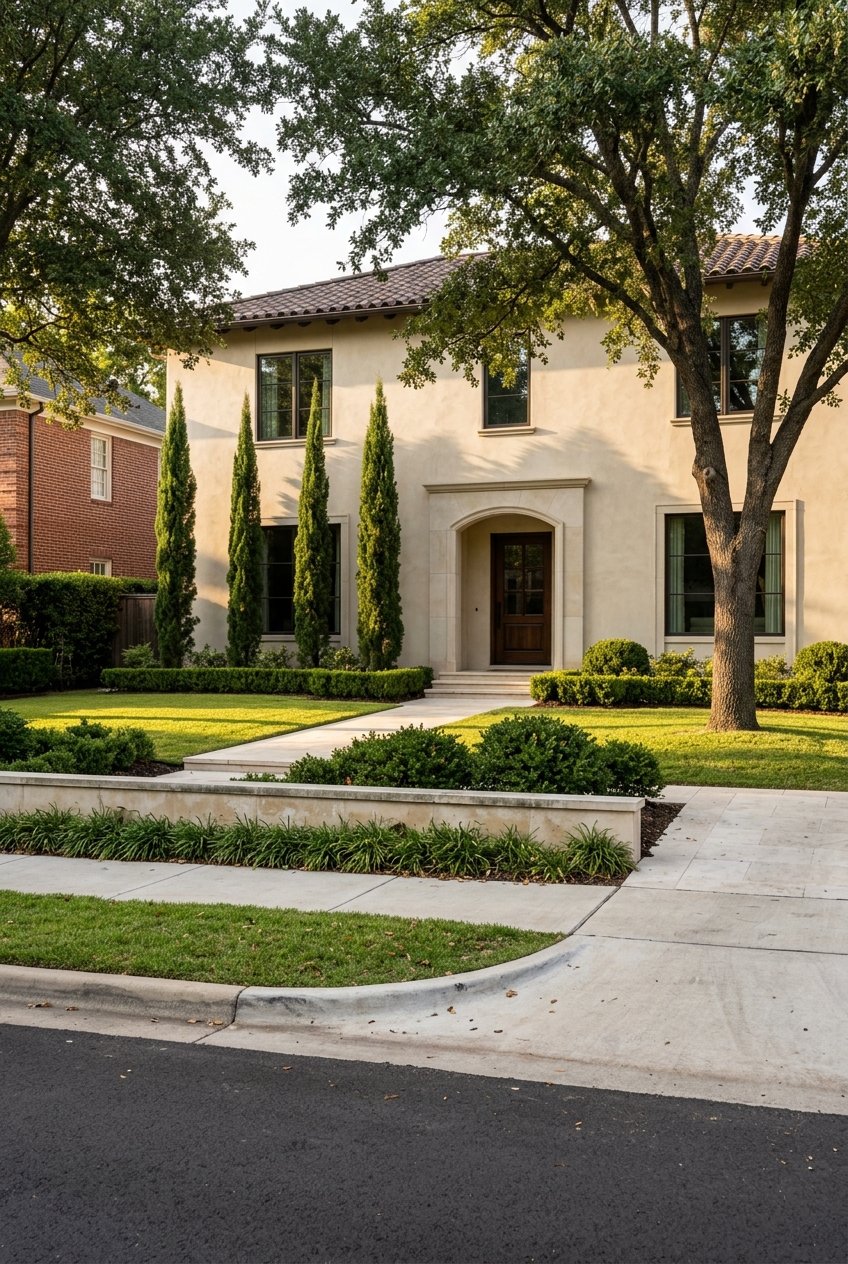
A Closer Look at Highland Park Home Styles
If you have ever driven through Highland Park and wondered why one block feels classic and formal while the next feels warm, villa-like, or distinctly modern, you are noticing one of the area’s biggest strengths. Highland Park was not built as a one-style neighborhood, and that layered character is part of what makes buying or owning here so interesting. When you understand the architectural mix, you can better match a home to your lifestyle, renovation goals, and long-term plans. Let’s dive in.
Highland Park began as a planned residential community in 1907, with about 20% of its land reserved for parks. The town incorporated in 1913, and much of its later growth came through filling vacant lots and replacing older homes. That history helps explain why the streetscape feels collected over time instead of tied to a single decade.
The area’s civic buildings also helped shape its visual identity. Highland Park Town Hall, completed in 1924, is Spanish Colonial Revival, and Highland Park Village, which opened in 1931, is a Mediterranean Spanish shopping center and town square. Together, those landmarks helped reinforce the traditional and Mediterranean design language that still stands out today.
Highland Park’s housing stock spans nearly a century, and local preservation groups point to a wide mix of styles that reflect what was popular in different eras. In practical terms, that means you are likely to see a blend of Colonial Revival, Georgian, Tudor, Mediterranean or Spanish Colonial Revival, Ranch, Mid-Century Contemporary, and later custom modern homes.
For buyers and sellers, that variety matters. Architecture affects curb appeal, interior flow, maintenance needs, and how easily a home may adapt to updates over time.
Colonial Revival and Georgian-style homes are a lasting part of Highland Park’s streetscape. These homes are typically symmetrical and classically detailed, often with brick exteriors, white-painted trim, columns, fanlights, and strong front entries.
From the street, they tend to feel formal and balanced. Inside, they often follow a more traditional room-by-room layout rather than a fully open plan. That can appeal to buyers who want defined living spaces, separate entertaining areas, and a timeless exterior presence.
Maintenance for this style often centers on brick and mortar condition, windows, and porch details. If a home has been expanded over time, it is worth paying close attention to whether additions were placed at the rear or on a secondary elevation so the original front-facing design remains clear.
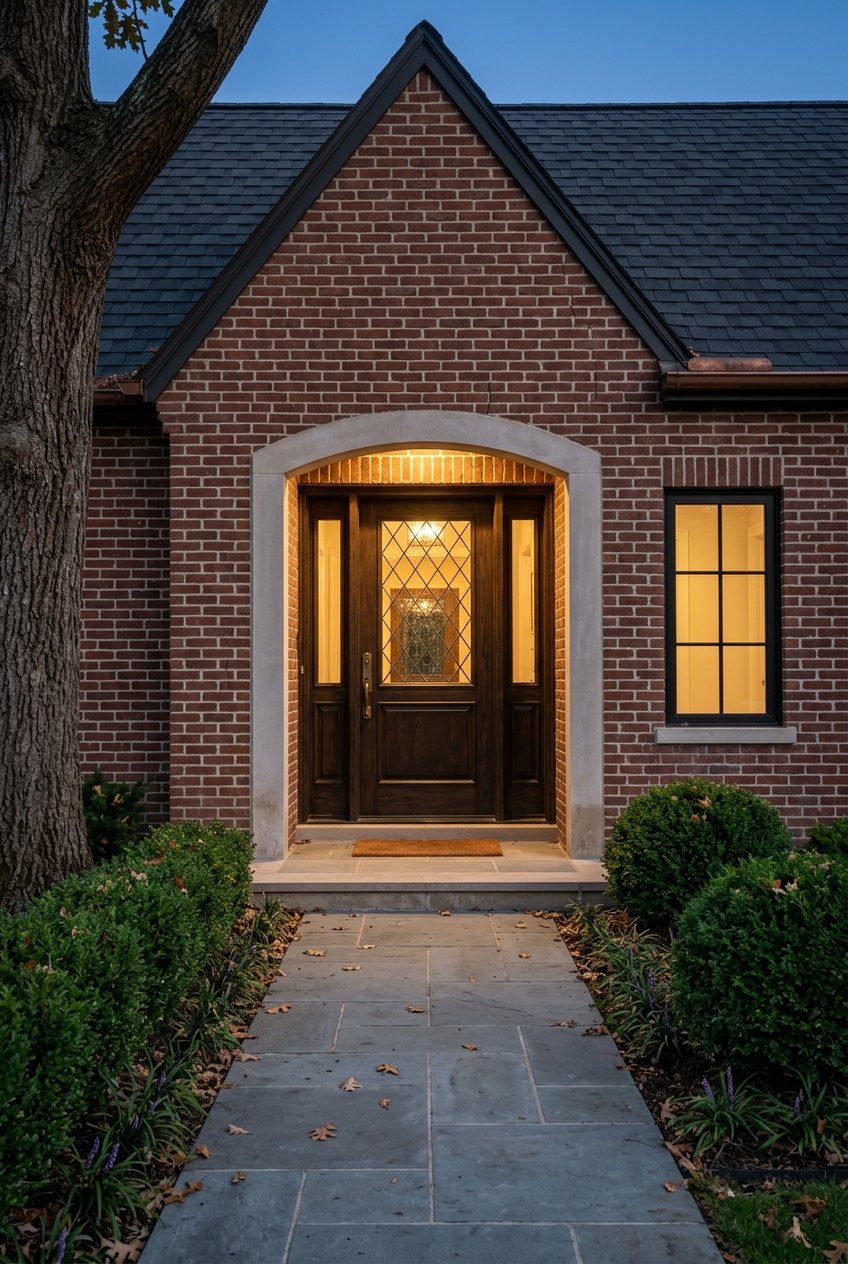
Tudor is another style that shows up often in Highland Park. Common features include steep rooflines, brick exteriors, and leaded windows, all of which give these homes a more textured and storybook-like appearance.
Compared with Colonial homes, Tudors often feel cozier and more enclosed. Their interiors may have more defined rooms and a stronger sense of vertical character because of the roof shapes and window placement.
For upkeep, roof condition is especially important. Buyers should also look closely at masonry joints, original windows, and decorative glass or wood trim, since those details are often central to the home’s overall character.
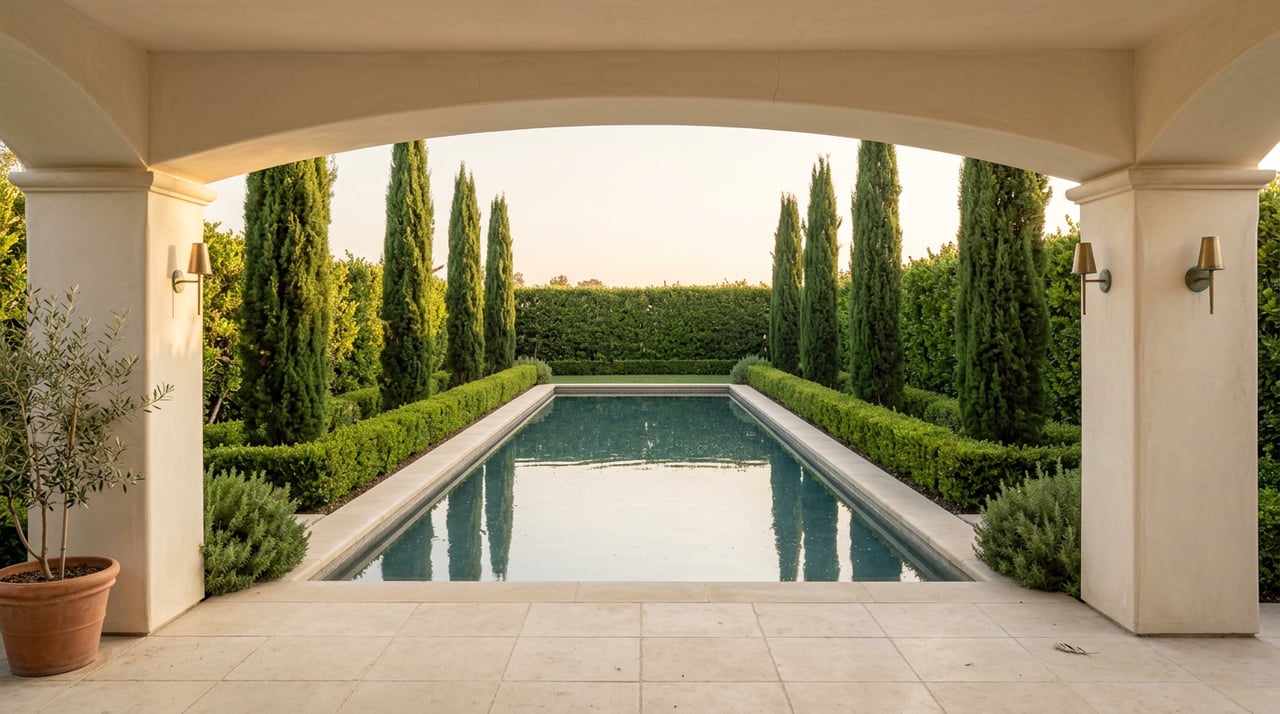
Few styles are more tied to Highland Park’s identity than Mediterranean and Spanish Colonial Revival architecture. You can see that influence not only in private homes, but also in major landmarks like Town Hall and Highland Park Village.
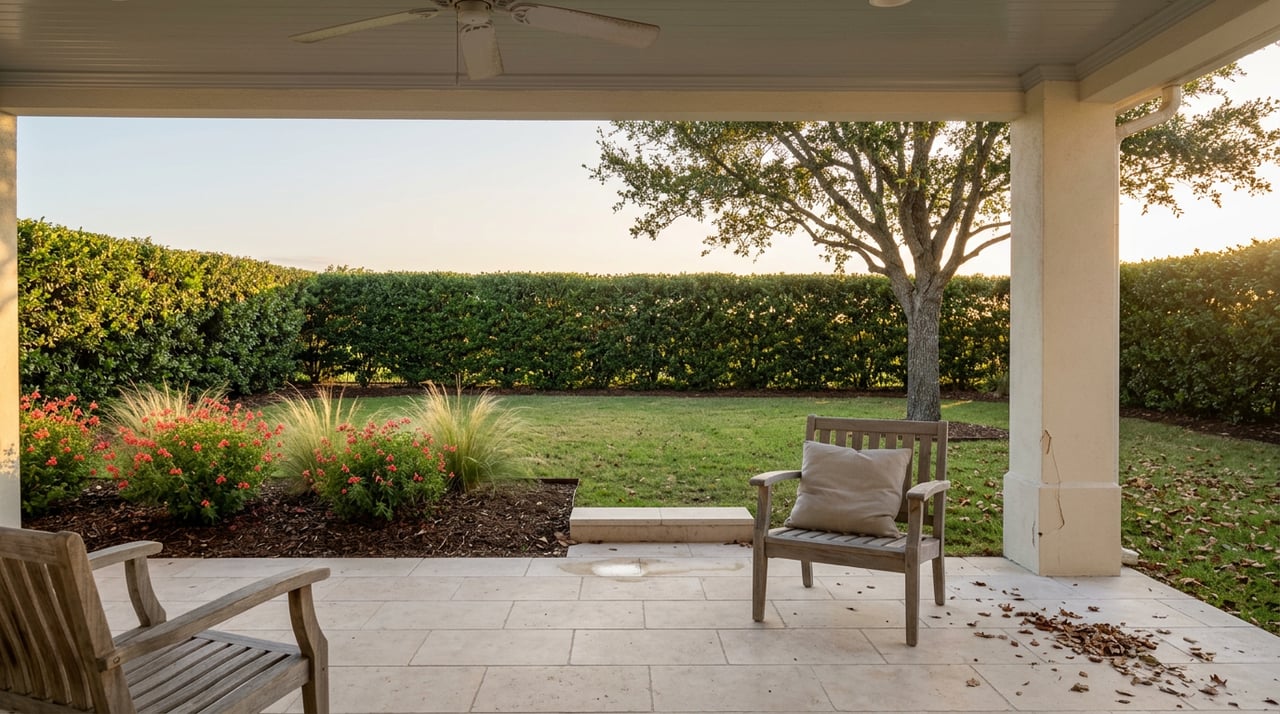
These homes often feature stucco walls, deep window and door openings, and red clay tile roofs. Many also include terraces, loggias, courtyards, or shaded entries that create a stronger connection between indoor and outdoor spaces.
From a lifestyle perspective, this style can feel relaxed and elegant at the same time. It often supports outdoor entertaining and a more resort-like rhythm for everyday living. For maintenance, owners usually need to be more intentional about stucco condition and water management, and clay tile roofs should be inspected regularly for fasteners, drainage issues, and matching replacement materials when repairs are needed.
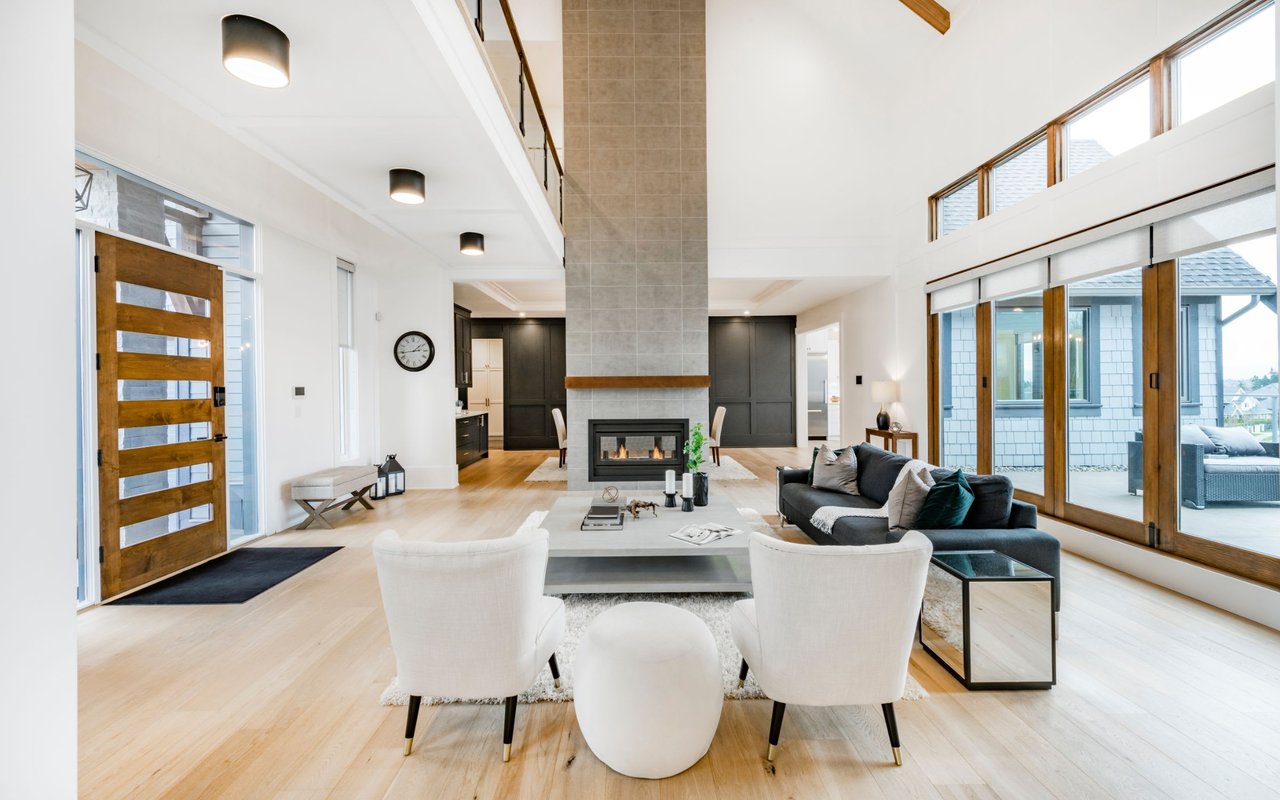
Highland Park is not frozen in one era. Later custom homes, including soft contemporary and modern designs, are part of the neighborhood’s ongoing evolution, especially on replacement lots and through major remodels.
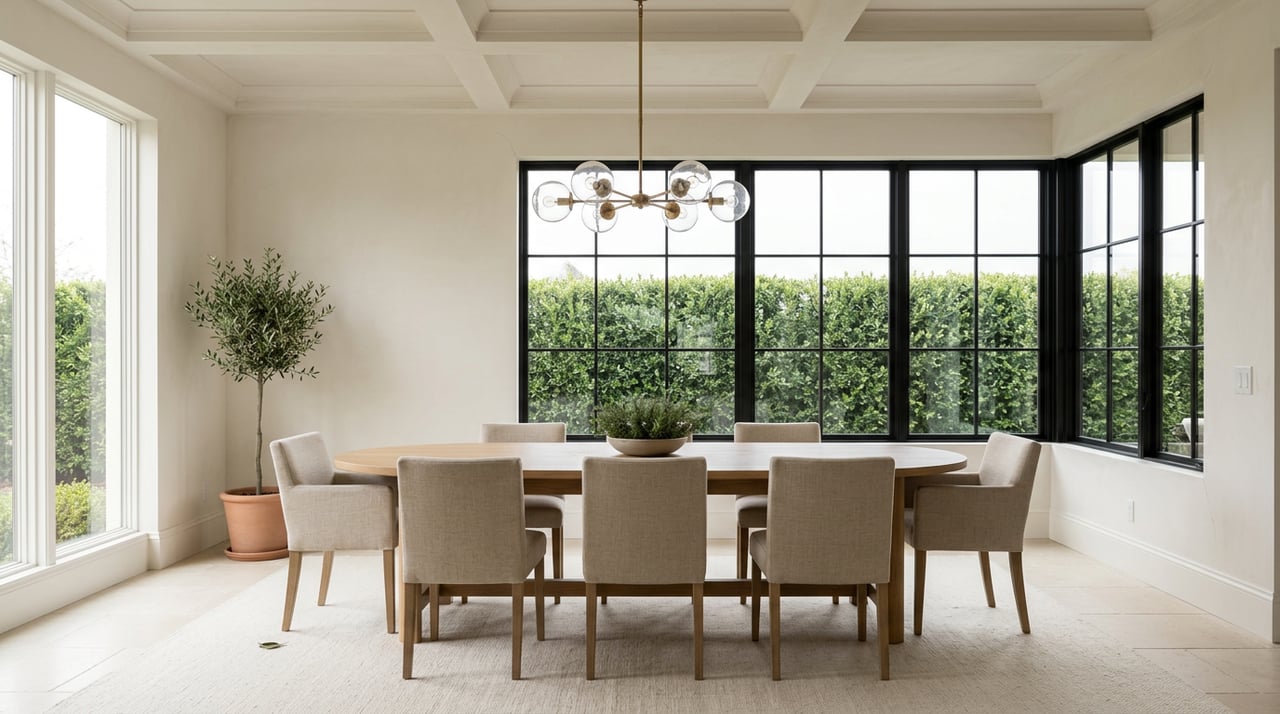
These homes often use more glass, cleaner lines, and more open interior layouts. In daily life, that can translate to brighter spaces, larger kitchen and living areas, and a more casual flow that suits current preferences.
Their maintenance profile is different from that of older revival homes. Instead of focusing as much on ornamental trim or masonry detailing, owners may need to pay closer attention to glazing, sealants, roof membranes, and low-slope roof details.
In Highland Park, architecture is about more than appearance. The style of a home can shape how you live in it every day.
Classic revival homes often suit people who like defined rooms, traditional entertaining spaces, and a more formal street presence. Tudor homes can offer a cozy, intimate feel with strong visual character. Mediterranean homes often support shaded outdoor living and a villa-style layout, while contemporary homes usually provide the most open flow and flexibility for modern routines.
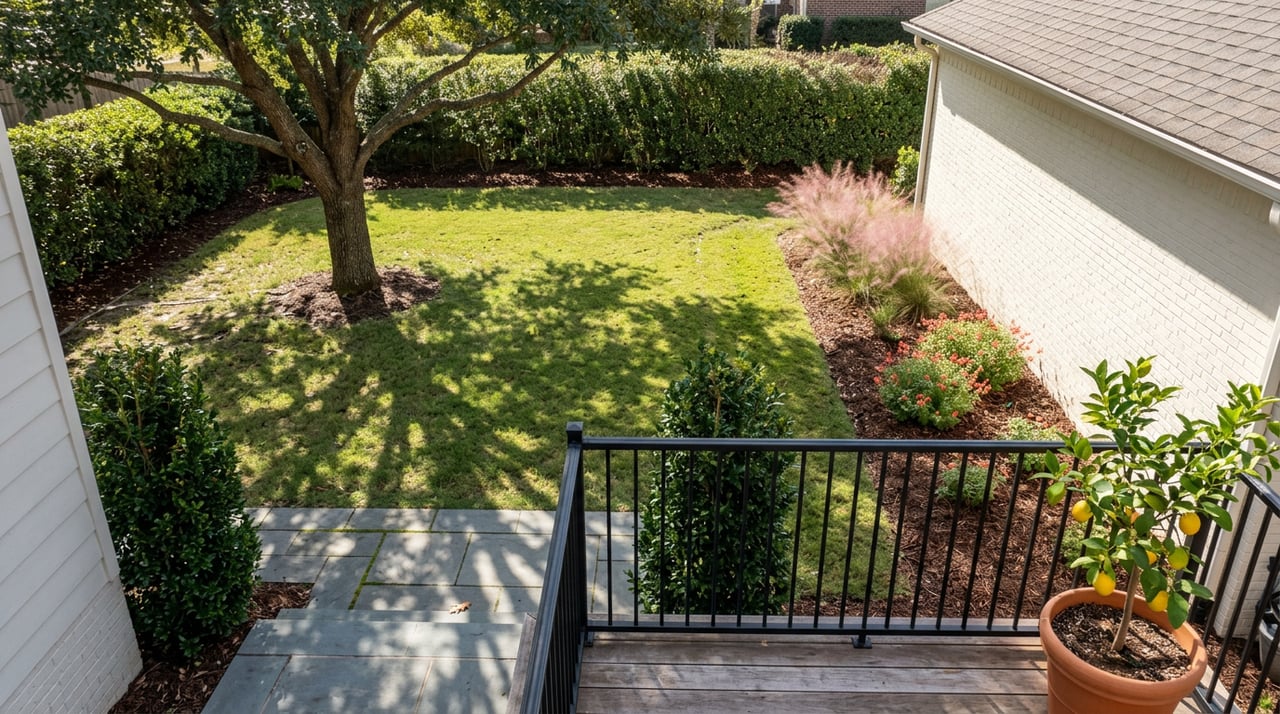
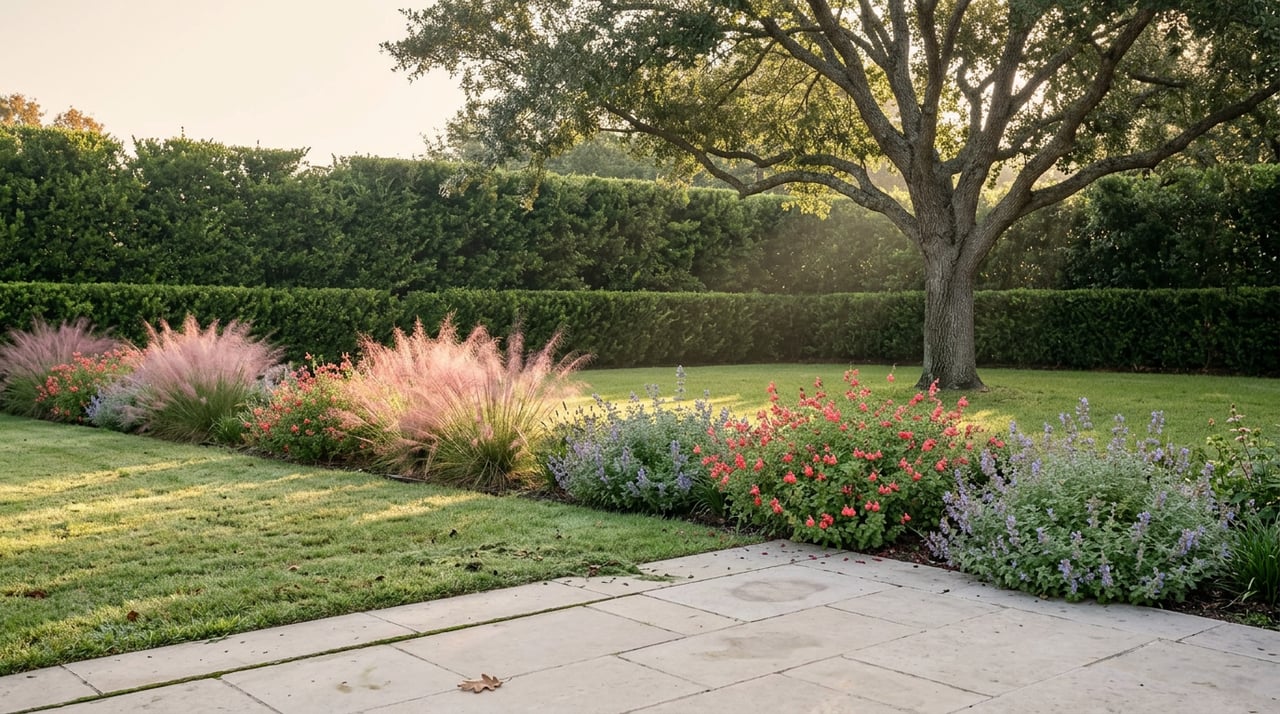
The broader setting also plays a role. Highland Park’s original plan reserved significant land for parks, and the area’s tree canopy, landscaped lots, and established public spaces continue to shape the experience of living there. That means architecture and landscape often work together rather than separately.
If you are buying in Highland Park, it helps to look beyond finishes and focus on the bones of the home. Style affects what you should inspect first and what future ownership may require.
A smart starting checklist includes:
This matters because visible exterior changes can affect both appearance and future renovation options. In a neighborhood where architecture carries real weight, small details on the front facade often matter more than buyers first assume.
If you are preparing to sell a Highland Park home, your architectural style should guide your update strategy. Not every home benefits from the same improvements, and the goal is usually to highlight the home’s original strengths while making it feel well cared for and functional.
For a Colonial or Georgian home, that may mean sharpening paint, masonry, shutters, porch details, and entry presentation. For a Tudor, rooflines, windows, and trim condition may deserve extra attention. For a Mediterranean home, stucco repair, tile roof review, and outdoor spaces can have an outsized impact. For a contemporary property, buyers may notice glazing, light, clean lines, and condition of modern surfaces first.
This is where thoughtful make-ready matters. A style-aware prep plan can help your home feel more cohesive to buyers instead of looking like a mix of updates from different periods.
Owning in Highland Park also means working within local requirements. According to the Town, permits are required for remodeling, additions, demolition, painting, fences, pools, and several other types of projects. Contractors must be licensed by the state and registered with the Town.
Construction hours are generally limited to Monday through Saturday, 7 a.m. to 6 p.m., with no Sunday or holiday work. That is useful to know if you are planning a renovation soon after closing or trying to prepare a property for sale on a specific timeline.
Accessory structures also come with important limits. The zoning ordinance prohibits accessory buildings from containing kitchen facilities or being rented or used commercially. If you are considering guest-house or pool-house plans, it is worth confirming the rules before design work begins.
Because Highland Park has such a layered housing stock, buying or selling here often requires more than a quick read of square footage and finishes. You are also evaluating how a home fits into its block, how true it remains to its original style, and what level of maintenance or renovation planning may come next.
That is especially important in a market where older homes, replacement homes, and heavily updated properties may all sit on the same street. A buyer may need help comparing style tradeoffs, and a seller may need help deciding which improvements will best support market appeal.
A neighborhood-specific approach can make that process much clearer. When you understand both the architecture and the practical realities behind it, you are in a stronger position to make a confident move.
If you are thinking about buying or selling in Highland Park, Chris Blackman can help you evaluate architectural fit, prep strategy, and neighborhood context with a local, high-touch approach.
What drives The Blackman Group forward is our shared objective to serve clients at the highest level of professionalism, enthusiasm, and energy. Whether helping clients with a sale, a purchase, a lease, a relocation, or an investment, TBG operates with the standard that every transaction be a "'win" for our clients.
The Blackman Group
5960 BERKSHIRE LN STE 700 DALLAS TX 75225